

Sliding Door Wardrobe Designs
Sliding door wardrobes are the practical choice for bedrooms where swing clearance is limited or where you simply want the room to feel more open and uncluttered.
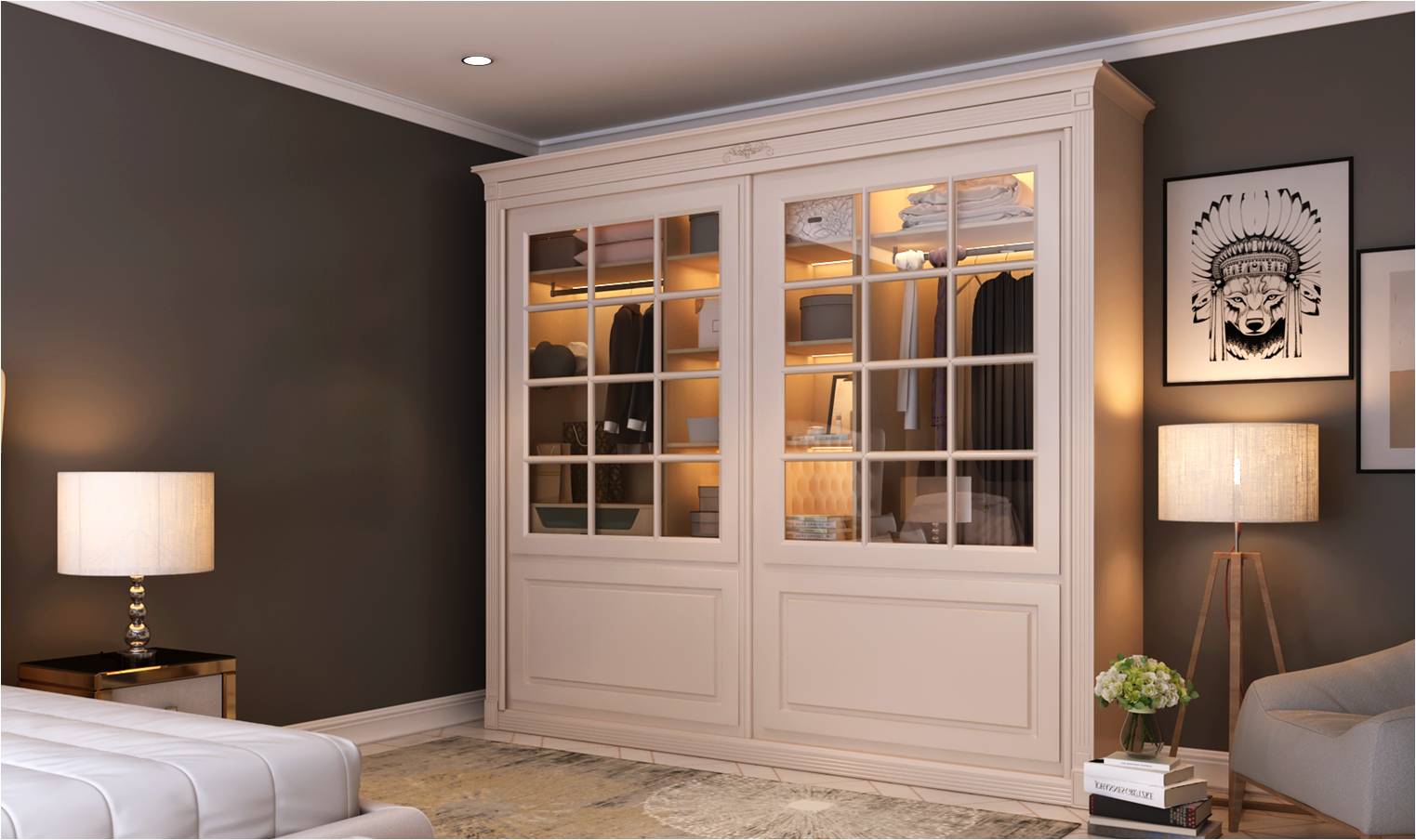
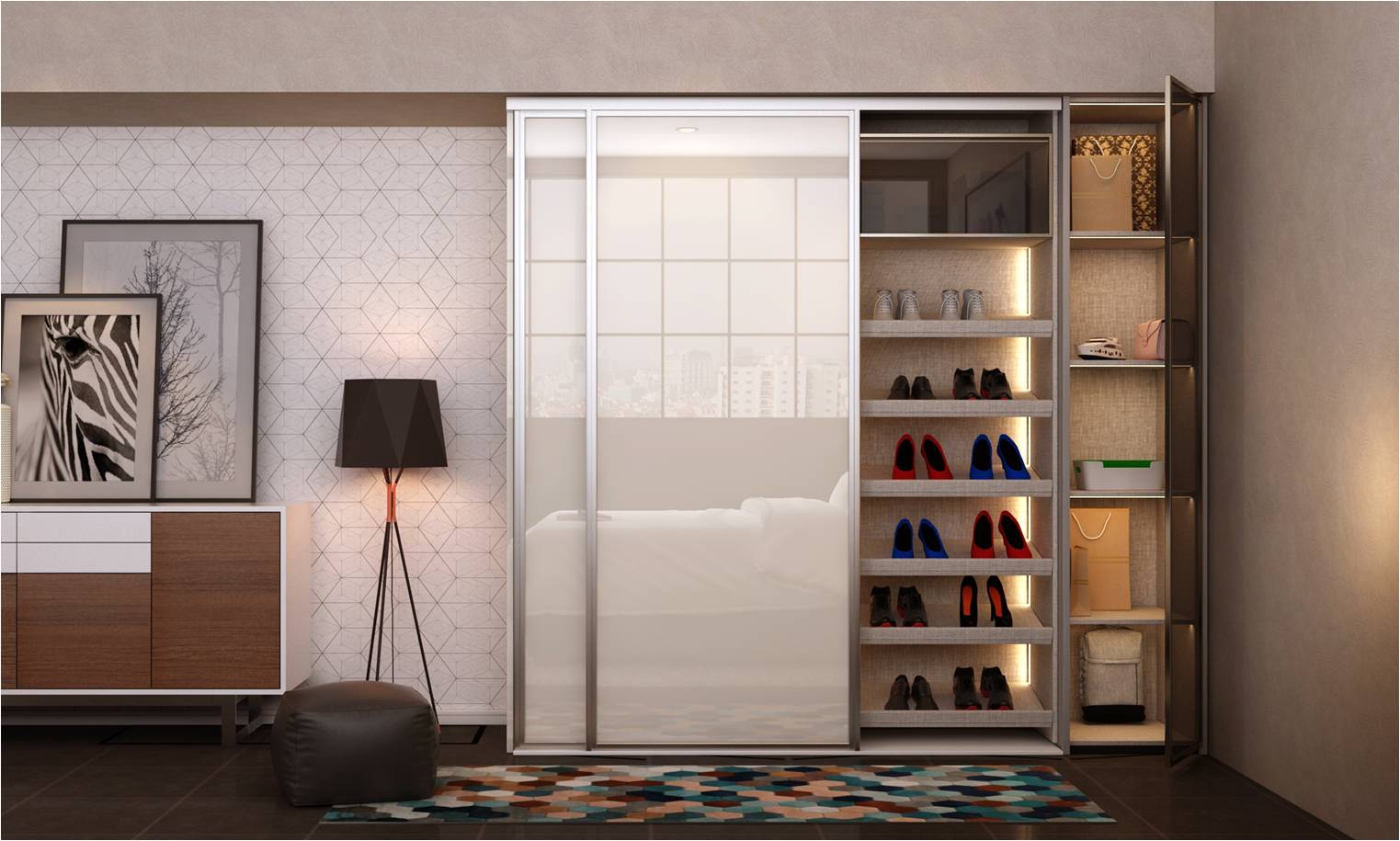
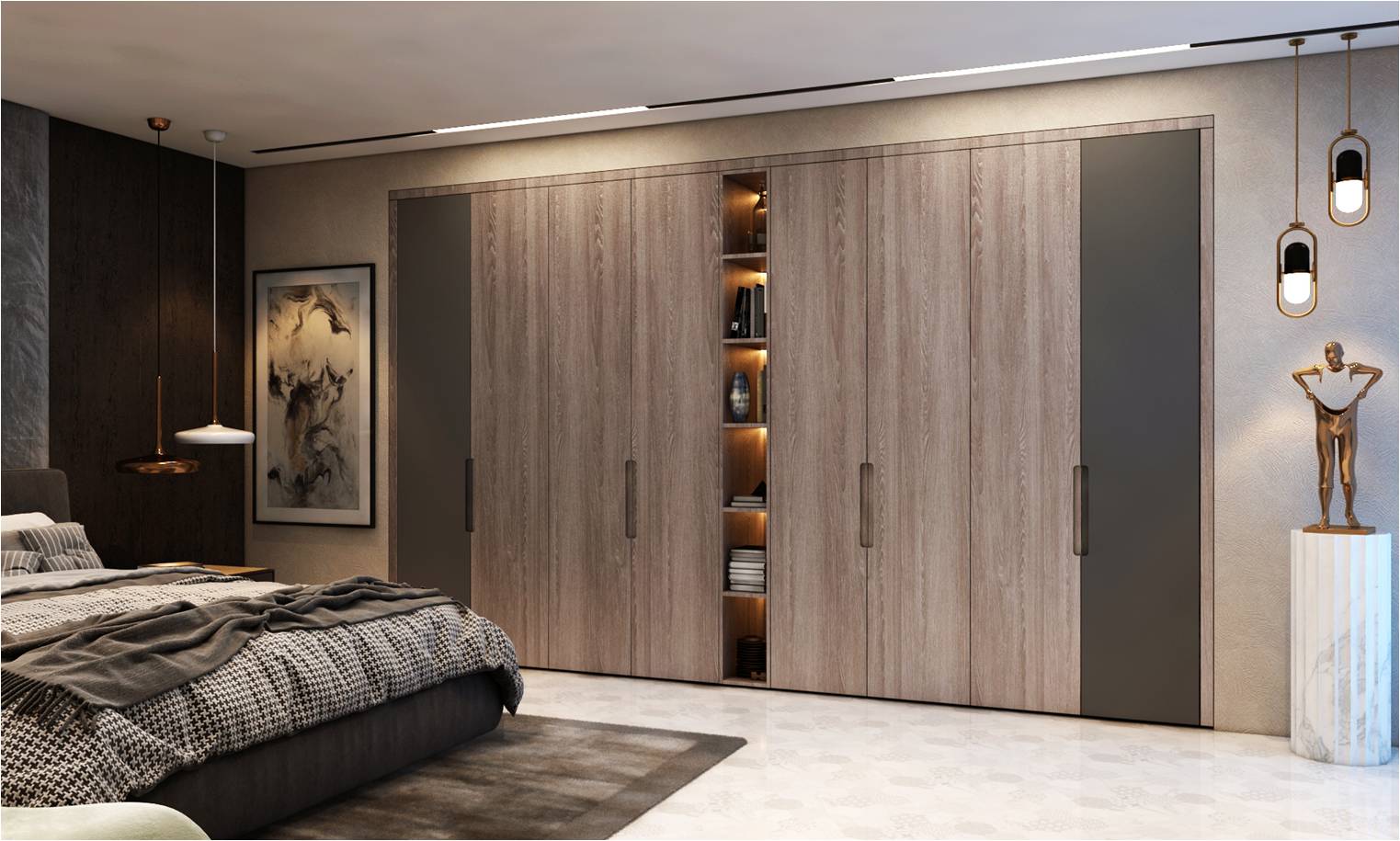
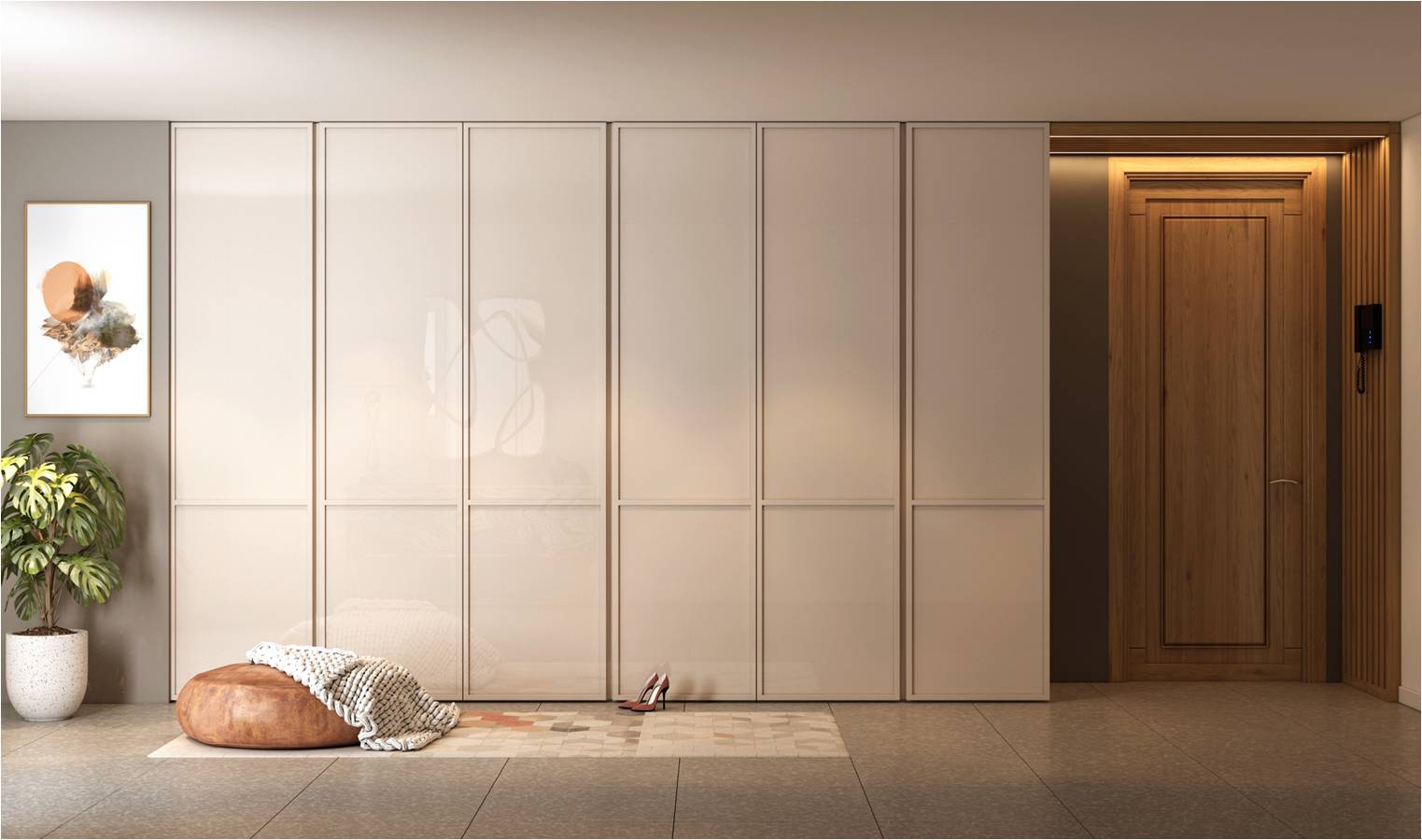
Instead of doors that arc outward into your living space, sliding doors move along a track, keeping the floor area free and the overall look clean. Spacewood's sliding wardrobe designs are available in 2-door, 3-door, and multi-panel configurations depending on your wall width and storage requirement, so whether you're working with a compact bedroom or a full accent wall, there's a layout that fits. Finish options range from warm wood grains and solid laminates to glass and mirror-panel combinations, each giving the same unit a noticeably different feel.
A sliding door wardrobe design also gives you more flexibility in how the interior is laid out, since the full width of the unit can be planned as one continuous storage system without the constraints that hinged doors impose. If you've been browsing a sliding wardrobe designs catalogue to understand what's possible in terms of finishes, panel combinations, and sizing, our collection below covers the range. From wooden wardrobe sliding doors in textured and natural grain finishes to sleek solid-tone panels, browse through and find what works for your bedroom.
Key Information at a Glance
Frequently Asked Questions
Are sliding wardrobes suitable for small bedrooms?
Yes, this is exactly where sliding door wardrobes work best. Because the panels move laterally rather than swinging outward, no clearance is needed in front of the wardrobe. A bed can sit as close as 18 to 24 inches from the wardrobe without restricting access. Mirror panels additionally create the visual impression of a larger room.
How many panels do I need: 2-door or 3-door sliding wardrobe?
For wardrobes up to 6 feet wide, a 2-door sliding wardrobe configuration works well. Beyond 6 feet, a 3-door sliding wardrobe or 4-door configuration is better. Narrower individual panels are lighter, slide more smoothly, and place less stress on the track system over time.
What is the difference between top-hung and bottom-roll track systems?
Top-hung systems suspend the panel weight from an overhead track rail. The bottom track is a guide only. Bottom-roll systems carry the panel weight on lower runners. For most Indian homes, top-hung systems are more durable over time; the bottom track does not collect debris that interferes with smooth movement.
Can a sliding wardrobe be converted from a hinged one?
In most cases, no, not without significant rework. Sliding door wardrobes require specific track infrastructure built into the frame from the start. The panel dimensions and frame structure are different from hinged systems.
Which finish is best for wooden wardrobe sliding doors in India?
Wood-effect laminates in matte finish are the most practical choice. They replicate the warmth of natural wood grain without the maintenance sensitivity of real wood. Popular tones include warm walnut, honey teak, and light oak, all of which work well with warm-white or neutral bedroom walls.
What is the standard depth for a sliding wardrobe?
600mm (60 cm) is the standard and recommended depth for sliding door wardrobes to allow proper hanging of clothes on hangers. Shallower wardrobes of 500mm or less restrict hanging capacity and force clothes to sit at an angle, reducing effective storage significantly.
Sliding Door Wardrobe Designs That Work in Real Bedrooms
Why Sliding Door Wardrobes Work in Indian Bedrooms
Indian bedrooms are not large by average. In apartments across Mumbai, Pune, Bengaluru, or Hyderabad, the bedroom must accommodate a bed, side tables, sometimes a study area, and a wardrobe. The clearance in front of the wardrobe is often limited to 3 to 4 feet. Hinged wardrobes need that clearance to open. Sliding door wardrobes do not. The panels move laterally along tracks, meaning the wardrobe can sit directly in front of the bed without creating a problem. That spatial freedom is why sliding door wardrobe designs are the most commonly chosen format in Indian urban homes. The trade-off is access. With a sliding wardrobe design, you can only view one section at a time. The panel that is open blocks another. For most people, this is a minor inconvenience when the internal layout is planned correctly with specific sections for daily wear and separate sections for occasional clothing.2 Door Sliding Wardrobe Designs: The Standard Choice
A 2-door sliding wardrobe design is the most common configuration. Two panels alternate, covering two halves of the wardrobe width. At any given time, one-half is accessible. This configuration works best for wardrobes up to approximately 6 feet wide. Beyond that, the two-panel system starts to feel inadequate; each panel becomes wider, which makes it heavier and slower to slide. Track wear also increases. Design options within 2 door sliding wardrobe designs are wide. Mirror panels on one or both shutters. Laminate in single or two-tone finish. Fluted glass for a premium look. Wood-finish laminates for warmth. The structure is the same; the aesthetic varies based on the rest of the bedroom.3 Door Sliding Wardrobe: For Wider Wardrobes
A 3-door sliding wardrobe works best when the wardrobe width exceeds 6 feet. Three panels mean each individual panel is narrower and lighter, which makes the sliding action smoother and reduces wear on the track system over time. Three-panel configurations also allow more design flexibility. The centre panel can be a mirror, flanked by laminate or wood-finish panels. Or all three can carry the same finish for a seamless wall-like appearance. Mixed finishes within a 3-door sliding wardrobe are where sliding wardrobe designs catalogue options become most visually interesting.Wooden Wardrobe Sliding Doors: Warmth That Lasts
Almost no sliding wardrobe today uses solid wood shutters; they are too heavy for standard track systems and too sensitive to moisture. What most people mean is a warm wood-finish laminate applied to a plywood or board panel. Done well, wooden wardrobe sliding doors create exactly the warmth that natural wood would, without the maintenance requirements. Teak, walnut, oak, and honey wood laminates in matte finish are the most commonly chosen. They work well in bedrooms with warm artificial lighting and complement both modern and traditional furniture styles. Finish matters significantly. A wood-effect laminate in matte finish reads as refined and deliberate. The same pattern in gloss finish reads as imitation. Matte is almost always the right call for wooden wardrobe sliding doors.Materials and Track Quality: Where the Real Difference Lies
Track Systems
Aluminium top-hung track systems are more durable than bottom-roll systems for most Indian conditions. Bottom tracks collect dust and debris that eventually interfere with smooth movement. Top-hung systems suspend the panel weight from an overhead rail, keeping the bottom track a simple guide rather than a load-bearing element. Track quality determines whether sliding door wardrobes feel smooth and silent at year five, the way they did at installation. The difference between adequate and good track hardware is significant over a ten-year ownership period.Panel Construction
Panels must be flat and stable. A warped panel in a sliding wardrobe design is impossible to ignore; it drags on the track, creates gaps at the edges, and looks visually wrong. Moisture-resistant plywood with proper edge banding prevents warping, particularly during monsoon seasons in coastal cities.Soft-Close Mechanism
A soft-close damper at the end of the sliding track slows the panel in the last few inches of movement and prevents it from hitting the frame. Small addition. Makes the wardrobe feel significantly more premium in daily use.Sliding Wardrobe Internal Layout: Plan This Before the Finish
The internal layout of a sliding wardrobe is where daily satisfaction is determined, not the external finish. A practical layout includes dedicated zones: hanging space in a full-height section for kurtas, shirts, trousers, and dresses; a separate section with shelves for folded sarees, sweaters, and folded T-shirts; drawers near the bottom for innerwear, accessories, and smaller items; a loft above the main hanging section for luggage, seasonal items, and spare bedding. Depth should be 600mm throughout for comfortable hanging. Adjustable shelves are worth specifying. Storage needs change, and a shelf set at one height when the wardrobe was built may need to change within two years.Sliding Wardrobe Designs Catalogue: Price Guide
Sliding door wardrobe prices vary based on size, finish, track quality, and internal configuration.- Entry-level sliding wardrobe in laminate finish, standard tracks, basic internal layout: Rs. 35,000 to Rs. 60,000 for a 6-foot unit.
- Mid-range with mirror panels, better track hardware, soft-close dampers, drawers included: Rs. 60,000 to Rs. 1.2 lakhs depending on size and number of panels.
- Premium configurations with fluted glass, full-height ceiling-mounted tracks, pull-out accessories, LED interior lighting: Rs. 1.2 lakhs and above.
Get a free sliding wardrobe estimate
Why Spacewood Sliding Wardrobes Perform Differently
Spacewood manufactures every wardrobe panel at its Nagpur MIDC facility using European CNC cutting equipment. Panels are cut to consistent dimensions, finished under controlled conditions, and edge-banded properly before dispatch. Track hardware is specified and tested for Indian conditions: temperature variation, dust, and the frequency of daily use in an active household. Explore all Spacewood wardrobe stylesVisit your nearest studio to see sliding wardrobes in person