

Top 10 Home Vastu Tips: Guide for Every Room in Your Home
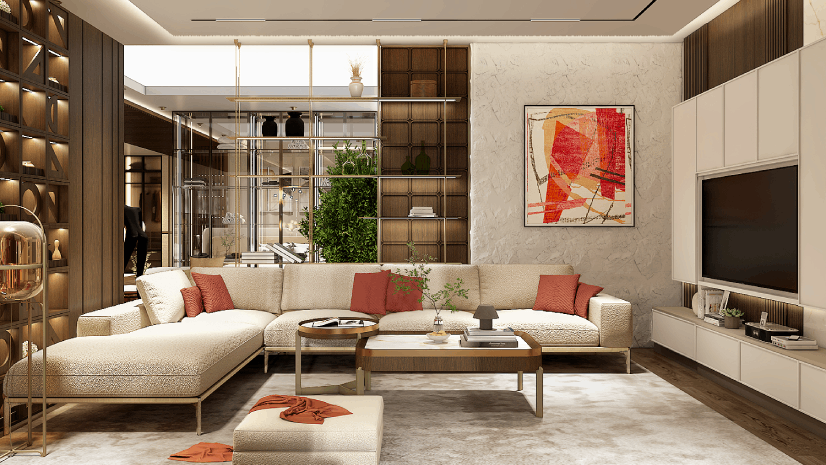
Table of Contents
Introduction
Vastu Shastra is often dismissed as superstition by those unfamiliar with it, and over-complicated by those who are. The truth sits somewhere in between. At its core, Vastu Shastra for the home is a centuries-old Indian system of spatial design that aligns your living space with natural elements, directional energies, and the way human beings actually function in a home.
Whether you’re a firm believer or simply curious, the principles behind Vastu Shastra direction for home, natural light, airflow, logical room placement, and uncluttered spaces are grounded in practical wisdom. In this guide, we break down the top 10 Vastu tips for the home in plain language, room by room, with actionable advice you can apply to any home.
Vastu Shastra is a traditional Hindu way of building that says that the way a building is built affects the energy, health, and harmony of the people who live there. “Vastu” means “dwelling,” and “Shastra” means “science” or “knowledge.” Together, they mean “the science of living spaces.” The system is based on five elements: earth, water, fire, air, and space, and eight cardinal directions. Each direction has a deity, element, and influence. Following these rules for your home’s rooms and objects is thought to bring good energy, health, and wealth.
Whether or not you follow the philosophy strictly, applying even basic Vastu Shastra direction for home creates a place that is well-lit, well-ventilated, logically planned, and psychologically comfortable, all of which are genuinely beneficial.
This is home vastu tip number one for a reason. The main door is the primary entry point for energy into your home. According to home vastu tips for the home, the main entrance should ideally face north, east, or northeast.
- North-facing: Governed by Kubera (the god of wealth). Considered highly auspicious.
- East-facing: Welcomed by morning sunlight. Associated with health, growth, and prosperity.
- Northeast (Ishanya corner): The most auspicious direction of all for the main entrance.
Avoid south and southwest-facing main doors where possible, as these are considered inauspicious in most Vastu traditions.
Practical tip: Keep the main entrance area well-lit, clutter-free, and clean. A threshold or nameplate in metal (brass is traditional) is considered auspicious.
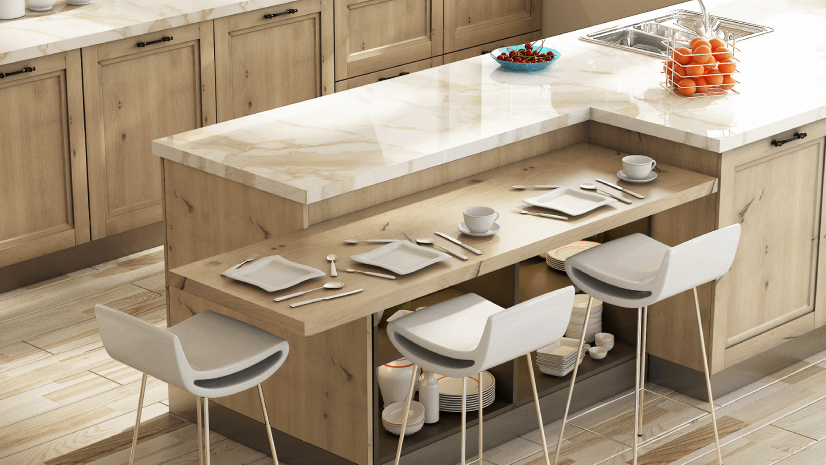
The kitchen represents the fire element in Vastu Shastra for the home. Fire is associated with health, digestion, and financial prosperity, all of which originate in the kitchen. The best direction for kitchen as per vastu, is the Southeast corner of the home, associated with Agni (fire).
If a southeast kitchen is not possible given your home’s layout, the Northwest is considered the next best option. Avoid placing the kitchen in the Northeast (which is associated with water and spirituality) or the Southwest (associated with grounding and stability, not fire).
For the position of your cooking stove: face east while cooking whenever possible. The east direction is associated with health and positive energy. Never place the stove directly opposite the sink, as the fire and water elements clash energetically in Vastu.
What Is the Vastu Shastra Direction for the Master Bedroom?
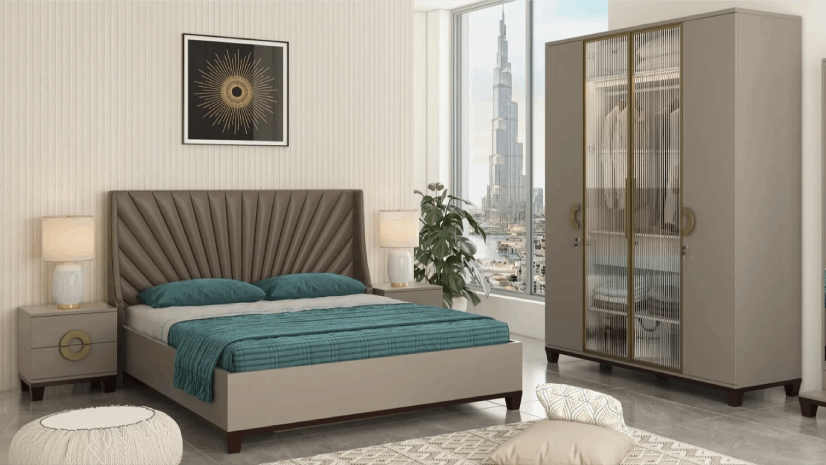
The bedroom is your space of rest, recovery, and relationship. According to Vastu tips for the home, the master bedroom should be in the southwest corner of the house. This direction is linked to stability, grounding, and authority. The head of the bed should face south or east. Avoid sleeping with your head pointing north, as this is thought to mess with the body’s magnetic alignment. Never put your bed directly under a structural beam, as this creates a sense of pressure and tension. A mirror directly facing the bed is not recommended in Vastu; it is thought to disturb restful sleep. If you have a full-length mirror in your wardrobe, make sure it doesn’t reflect the sleeping area. Finally, keep electronics away from the bed. Apart from Vastu, this is simply good sleep hygiene.
What Are the Key Vastu Tips for the Living Room?
The living room is where your family gathers, guests are received, and the home’s social energy resides. As per tips for Vastu Shastra for the home, the living room is best placed in the North, East, or Northeast part of the home.
- Seating: Arrange seating so that the main host faces east or north.
- Furniture: Avoid placing heavy furniture in the Northeast corner of the living room; this should be kept light and open.
- TV/electronic placement: The television is ideally placed on the South or Southeast wall.
- Colours: Light, uplifting colours, soft yellow, cream, light green, or warm white, are preferred for living room walls.
• Brahmasthan: If your living room is in the centre of the home, ensure this area is kept open and uncluttered.
What Are the Vastu Tips for Bathrooms and Toilets?
Bathrooms generate drainage energy, which Vastu views as potentially disruptive if poorly placed. Ideal positions for bathrooms are the Northwest or West corners of the home. Avoid placing bathrooms in the Northeast (the most auspicious corner) or directly adjacent to the pooja room or kitchen.
Always keep bathroom doors closed when not in use, and ensure good ventilation; both are Vastu requirements and simply good practice.
According to Vastu, the best place for the pooja room (prayer space) is in the northeast corner of the house, which is the Ishanya direction and is thought to be the area of divine energy and spirituality. If there isn’t enough room for a separate pooja room, a pooja corner can be made in the northeast direction of the living room or bedroom. The idol or image should face north or east.
What Are the Top Vastu Colour Tips for Each Room?
Living Room: Light yellow, cream, off-white, soft green, or warm orange.
Bedroom: Pastel blue, light green, lavender, or soft pink for calming energy.
Kitchen: Orange, yellow, or red accents (representing fire and warmth); avoid black and dark blue.
Study/Home Office: Green or light blue, associated with focus and creativity.
Bathroom: White, light grey, or earth tones for cleanliness and calm.
How Does Furniture Placement Affect Your Home's Vastu?
Vastu for furniture is not just about room direction; it’s about what you place where and why. Heavy furniture (wardrobes, sofa sets, storage units) should generally be placed in the Southwest, South, or West zones of a room. Light, decorative furniture works better in the North and East.
The centre of any room (the miniature Brahmasthan) should always be kept free of heavy furniture. This applies to bedrooms, living rooms, and kitchens alike.
What Are Quick Vastu Fixes for a Home That's Already Built?
Not everyone has the luxury of designing from scratch with Vastu in mind. If your home’s structure cannot be changed, here are some practical home Vastu tips that can be applied without any construction:
- Use plants (Tulsi, jade plant, lucky bamboo) in the Northeast for positive energy.
- Place a water feature (small fountain) in the Northeast.
- Keep the main entrance well-lit and welcoming, regardless of direction.
- Clear clutter from the Brahmasthan (centre of the home).
- Use Vastu-appropriate colours in paint or textiles to compensate for directional challenges.
- Hang family photographs on the Southwest wall to strengthen relationships.
Many of our kitchen and wardrobe installations are specifically planned with Vastu compliance in mind. When you visit a Spacewood store for a design consultation, mention any Vastu requirements, and our designers will incorporate the directional guidelines into your furniture layout plan. Check out our full home design services.
Frequently Asked Questions
Categories
Contact Us
What are the most important Vastu tips for a home?
The most important home vastu tips are to put the main entrance in the north, east, or northeast; the kitchen in the southeast; the bedroom in the southwest; and make sure there is enough light, air, and space that is free of clutter.
What is the best direction for the main door according to Vastu?
The north, east, and northeast directions are best for the main entrance because they bring good health, prosperity, and positive energy into the home.
What is the ideal kitchen direction in Vastu Shastra?
The southeast direction is ideal for the kitchen, as it represents the fire element. If not possible, the northwest direction is the next best option.
Where should the master bedroom be located according to Vastu?
The master bedroom should ideally be in the southwest direction, as it promotes stability, better sleep, and strong relationships.
What is the best direction for sleeping as per Vastu?
Sleeping with your head towards the south or east is recommended. Avoid sleeping with your head facing north.
Which direction is suitable for the living room?
The living room should ideally be in the north, east, or northeast part of the home to enhance positivity and social harmony.
Where should the pooja room be placed in a home?
The pooja room should be located in the northeast direction, which is considered the most spiritually positive zone in Vastu.
What are the ideal Vastu directions for bathrooms and toilets?
Bathrooms and toilets are best placed in the northwest or west directions. Avoid placing them in the northeast.
Do Vastu colours really make a difference?
Yes, colours like light yellow, green, blue, and white that Vastu recommends can make a space more peaceful, lift your spirits, and boost the energy of the room as a whole.
Do Vastu colours really make a difference?
Yes, simple fixes like decluttering, using plants, improving lighting, adjusting furniture placement, and using appropriate colours can help align your home with Vastu principles.