

Modern Study Table Designs for Home: Smart Ideas for Indian Families
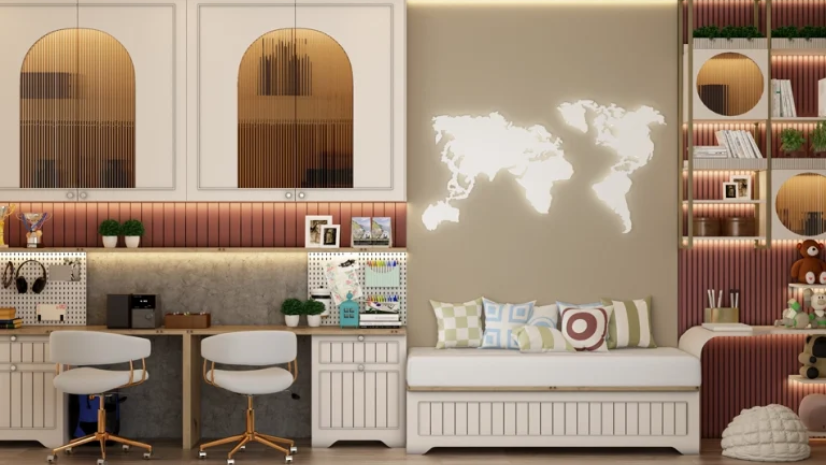
Table of Contents
Introduction
Between school, college, work from home, online classes, and hobby projects, a study table is no longer a small corner desk. It is one of the most-used pieces of furniture in a home after the bed and the sofa. A good modern study table design for small room setups or full-size bedrooms has to handle a laptop, books, notebooks, charging cables, sometimes a second monitor, and still leave room to write.
The tricky part in Indian homes is space. Most bedrooms already carry a bed, a wardrobe, a side table, and sometimes a TV. Fitting a proper study table design for students or working professionals needs clever layout thinking, not just a smaller table. As part of full home interior design projects, we plan study zones inside bedrooms, kids rooms, living room corners, and even balcony conversions. The study table ideas below are the ones that actually hold up after 12 months of real daily use.
What Makes a Modern Study Table?
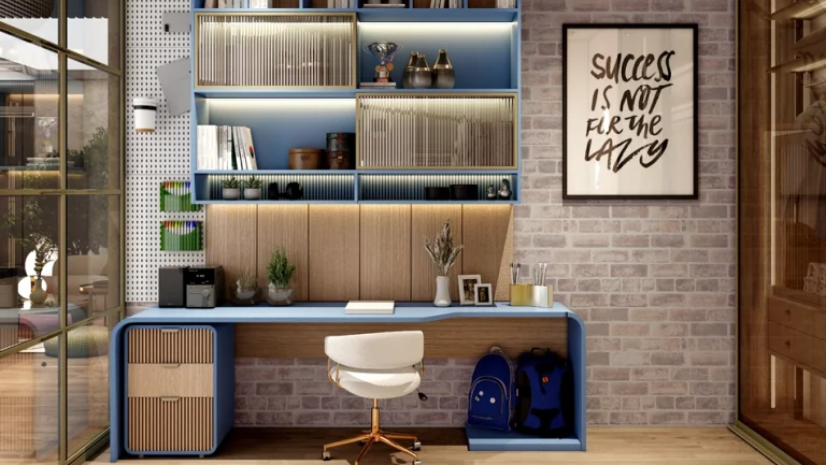
A modern study table is a compact, functional desk designed for laptop work, writing, reading, and storage of study material. Modern designs add smart details like cable management, open shelves, pinboards, wall-mounted tops, pull-out keyboard trays, and integrated drawers so the same table works for different users in the household.
Why Study Tables Matter More Than Ever in Indian Homes
Post-2020 Indian homes have permanently shifted. Most families now have at least one person working from home, and most children do some part of their schooling on a screen. That creates three needs:
- A dedicated workspace that is not the dining table, since the dining table gets disrupted at every meal
- Storage for books, stationery, electronics, chargers, and printouts within arm’s reach
- A setup that looks calm and does not visually clutter the bedroom or living room
What Makes a Study Table Design for Students Effective?
A good study table design for students is measured by three things, in this order:
- Posture support: Table height should match chair height so wrists sit comfortably on the keyboard. Standard table height is 29 to 30 inches.
- Organised storage: Drawers, shelves, and pinboards keep subjects separated without piling everything on the table.
- Focus-friendly design: Clean surface, clean finish, minimal distractions, no busy visuals behind the screen.
Best Study Table Ideas for Different Spaces
1. Wall-Mounted Floating Study Table
Best for small bedrooms. Zero floor footprint, so the bedroom still looks spacious. A shallow top and a slim open shelf above for books and decor work well.
2. L-Shaped Corner Study Table
Best when you have a dedicated corner. A wide writing zone on one side and a laptop zone on the other, especially if you run a second monitor or need printouts nearby.
3. Under-Loft Study Table
Common in student rooms where the bed is on a loft, and the table sits below. A smart study table design for students living in hostels or shared rooms.
4. Study Table Integrated With the Wardrobe
Best for small rooms where even a corner feels tight. Wardrobe, study table and an open shelf all sit in one continuous unit. Saves space and looks clean.
5. Foldable Wall Study Table
Best for tight rooms, rentals, and kids’ rooms. Folds flat against the wall when not in use, drops down when needed.
6. Freestanding Desk With Hutch
Traditional, practical, and easy to relocate. Writing surface at the bottom, shelf or cabinet on top. Good for kids’ rooms where the setup may change every few years.
Modern Study Table Design for Small Room Situations
Small Indian bedrooms (10×10, 10×12) need a different approach than a 12×14 spare room. A modern study table design for a small room usually means:
- Wall-mounted or floating tops, so no floor legs
- Slim depth (450 to 500 mm instead of 600 mm)
- Open shelving above the table instead of bulky cabinets
- Light finish (white, oak, pastel) to keep the room bright
- Slimmer drawers, since every inch below the table is precious
Study Table Design for Bedroom Corners
The most common placement for a study table design for bedroom use balances three things:
- It does not interrupt the sightline from the door to the bed
- It sits where natural light falls on the writing surface, not on the laptop screen
- It has power and internet points nearby, planned during the electrical stage
A corner study table paired with a tall, narrow open shelf is one of the cleanest bedroom layouts because it makes a usually wasted corner productive.
Study Table Designs for Small Rooms With Limited Floor Space
Some rooms are so compact that even a small table feels like an intrusion. For these, consider these study table designs for small rooms:
- A 36-inch wide foldable study table mounted under a window
- A wall-hung study top with a narrow pinboard instead of shelves
- A pullout study tray built into the wardrobe slides out only during study time
- A bedside-plus-study combo where the bedside table expands into a laptop zone
Storage and Organisation Around the Study Table
- A two-drawer unit for stationery, chargers, and small items
- An open bookshelf above the table for textbooks and notebooks
- A cable management grommet on the desktop
- A pinboard or magnetic board for timetables and reminders
- A small closed cabinet for printer, paper, and items you do not want on display
Choosing the Right Chair and Lighting
- Pick a chair with adjustable height so the user’s feet rest flat and elbows sit at 90 degrees.
- Add a lumbar support cushion if the chair is basic, especially for adults working long hours.
- Place the task light on the opposite side of the writing hand to avoid shadows.
- Avoid overhead tubelight glare directly on the laptop screen. A warm 3000K to 4000K desk lamp is better.
Common Mistakes Indian Families Make
- Placing the table directly opposite a bright window, so the screen does not get glare
- Buying a ready-made desk without measuring the room corner first
- Ignoring cable management, so chargers and earphones tangle across the tabletop
- Using an adult-sized chair for a young student which damages posture over the years
- Designing the table without a chair in mind, so the chair arms do not tuck under
Why Spacewood for Modern Study Table Designs
Spacewood plans study zones as part of modular full home interior projects, which means the desk is not treated like an add-on but as an integrated part of the bedroom or kids’ room. Factory-manufactured modular desks, study cabinets, and wall-mounted tops, a wide range of finishes, up to 10-year warranty (matters because study tables see heavy daily use), and in-house designers who plan the full room together. Pair the study table with a modular wardrobe for a coordinated bedroom finish.
Final Thoughts
A study table either quietly supports daily life or becomes the reason someone complains about back pain and lost papers. A modern study table design for a small room or a larger bedroom works when three things are right: size, storage, and posture. Get those right, and it barely matters whether you go for a wall-mounted floating desk, an L-shaped corner, or a foldable wall table. Share your room dimensions with the Spacewood team, and we will plan a study zone that fits your family.
Frequently Asked Questions
What is the ideal height for a study table at home?
Standard height is 29 to 30 inches (about 75 cm). For children, a lower 26 to 28 inches works better. Always pair with a chair that adjusts to match.
What is the best modern study table design for small room setups?
A wall-mounted floating table with a slim open shelf above. It frees up floor space, keeps the room open, and still gives enough writing and laptop area.
Can a study table fit in a 10x10 bedroom?
Yes. A corner or wall-mounted table with a slim 450 to 500 mm depth fits comfortably, especially if integrated with the wardrobe or placed under a window.
Which material is best for a study table design for students?
Pre-laminated engineered wood is the most practical for Indian homes. It handles daily use, spills and humidity better than solid wood, and comes in many finishes.
Should a study table be placed near a window?
Yes, but not directly facing it. The ideal placement is with the window to the side so natural light falls on the writing surface without screen glare.