

Classic Kitchen Designs
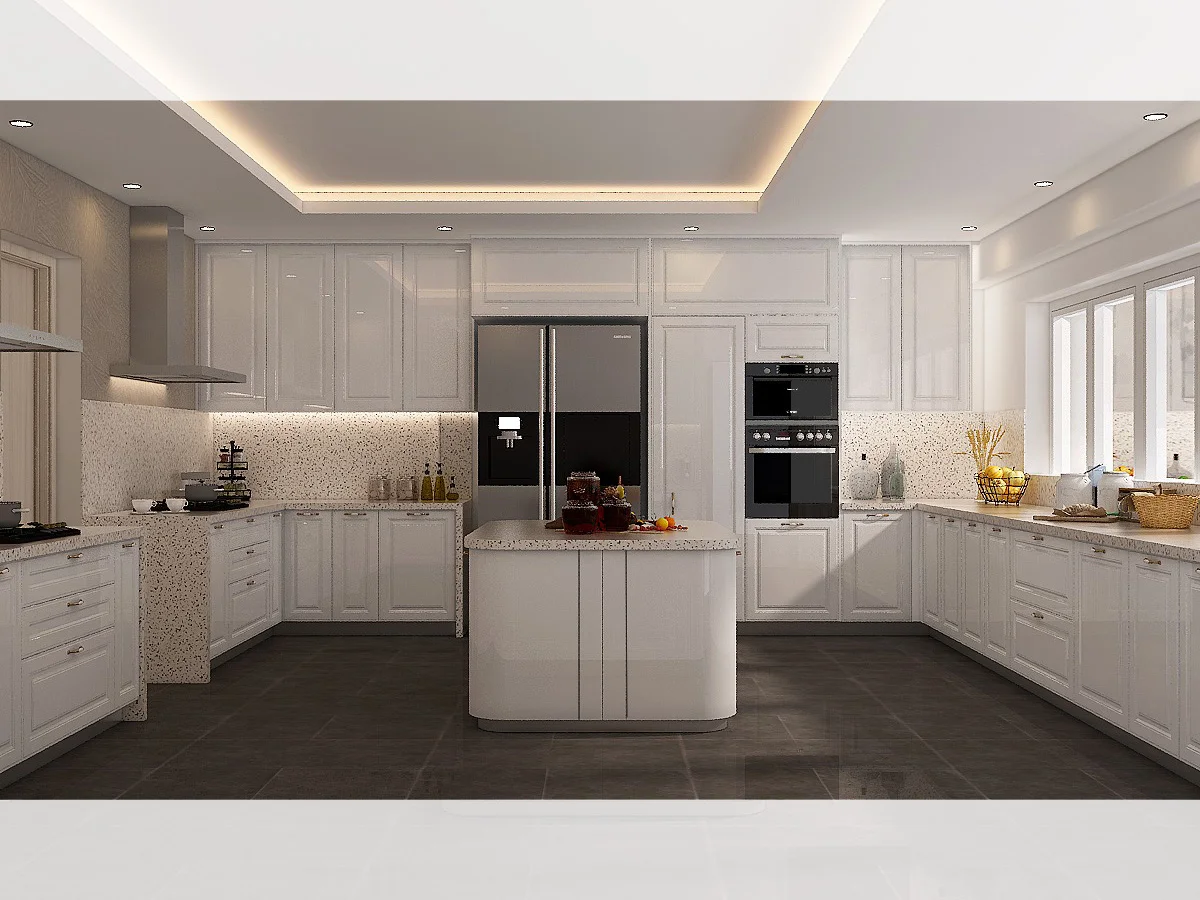
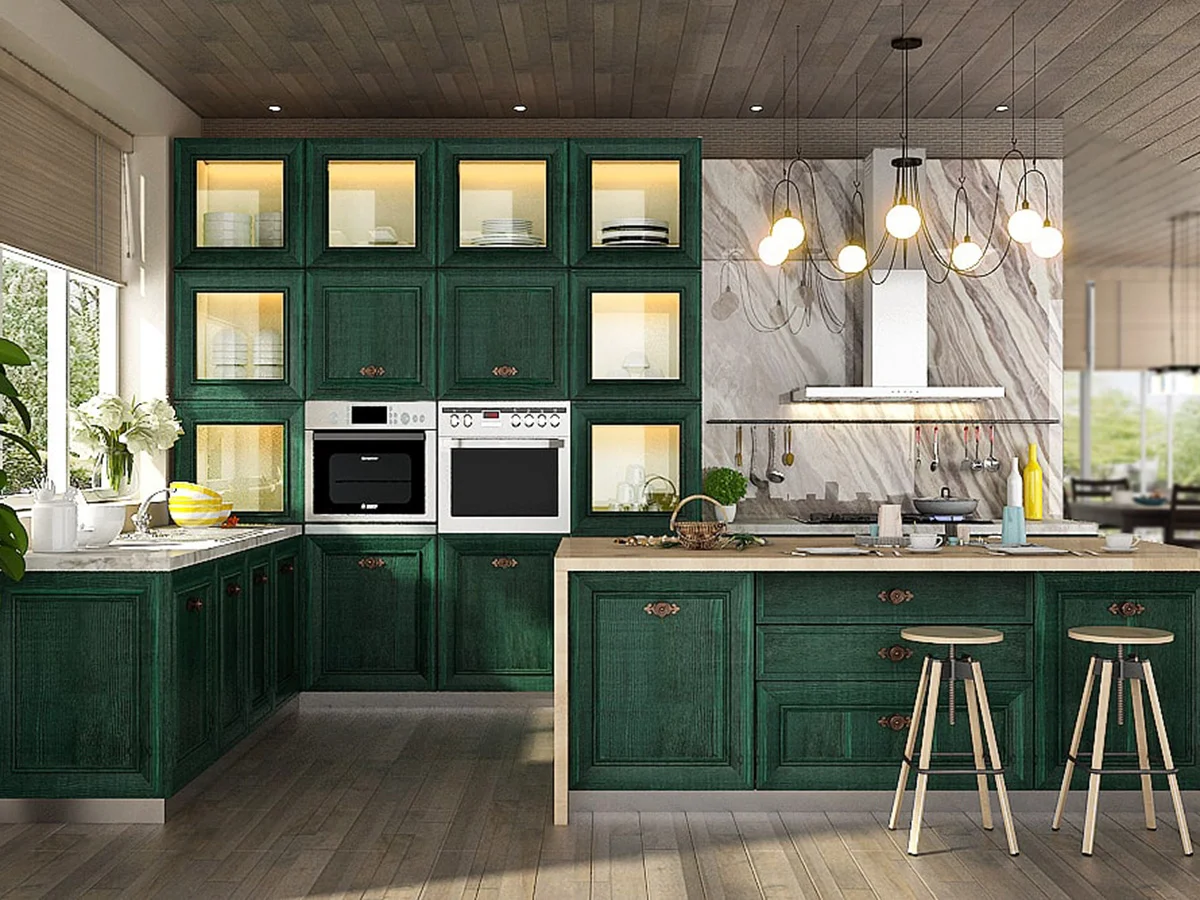
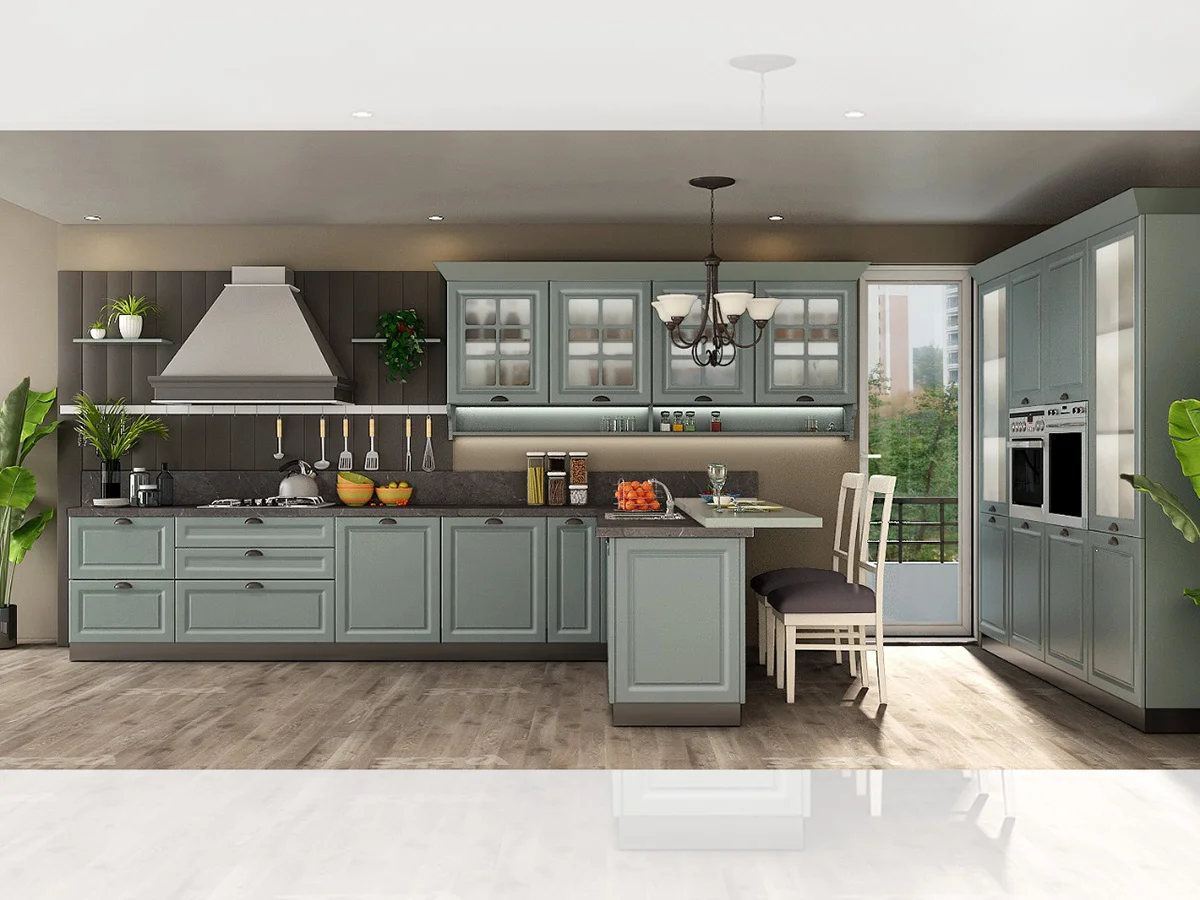
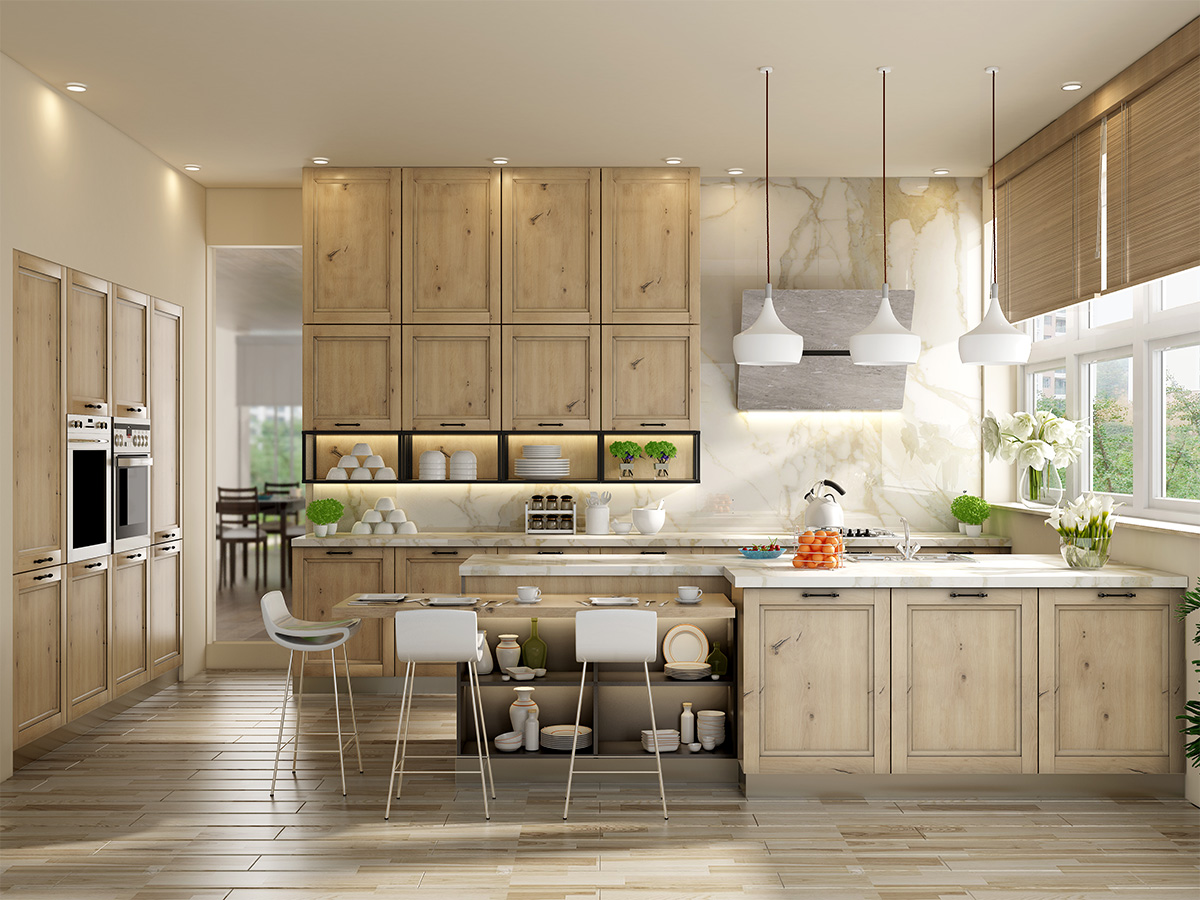
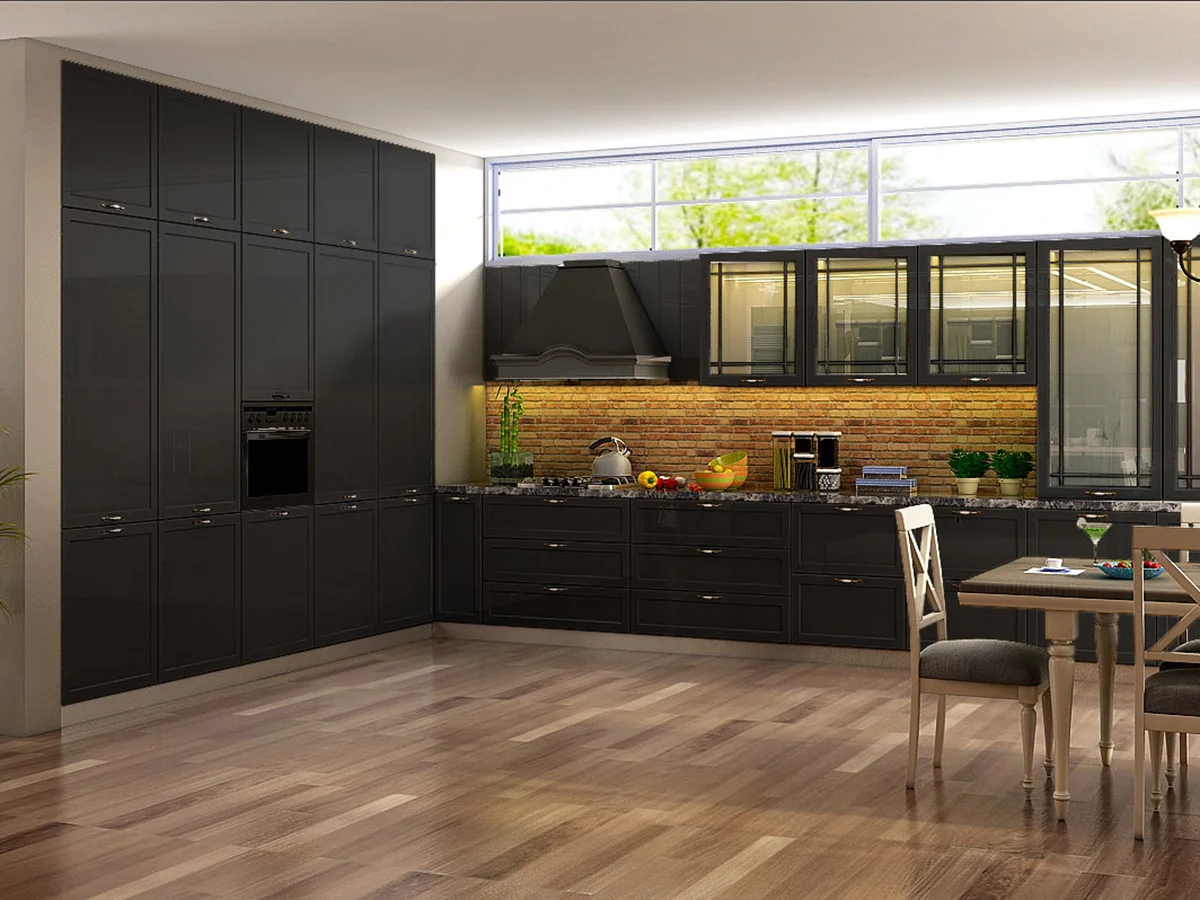
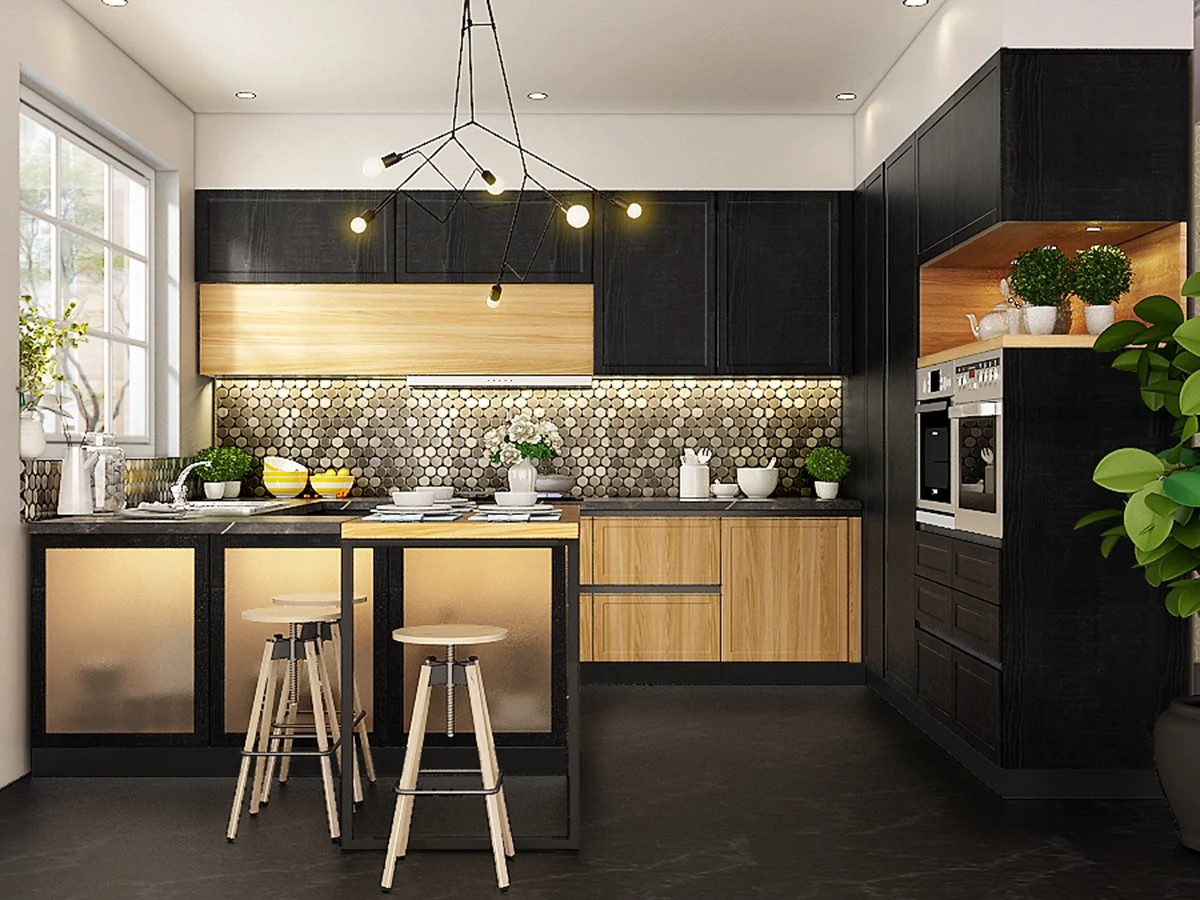
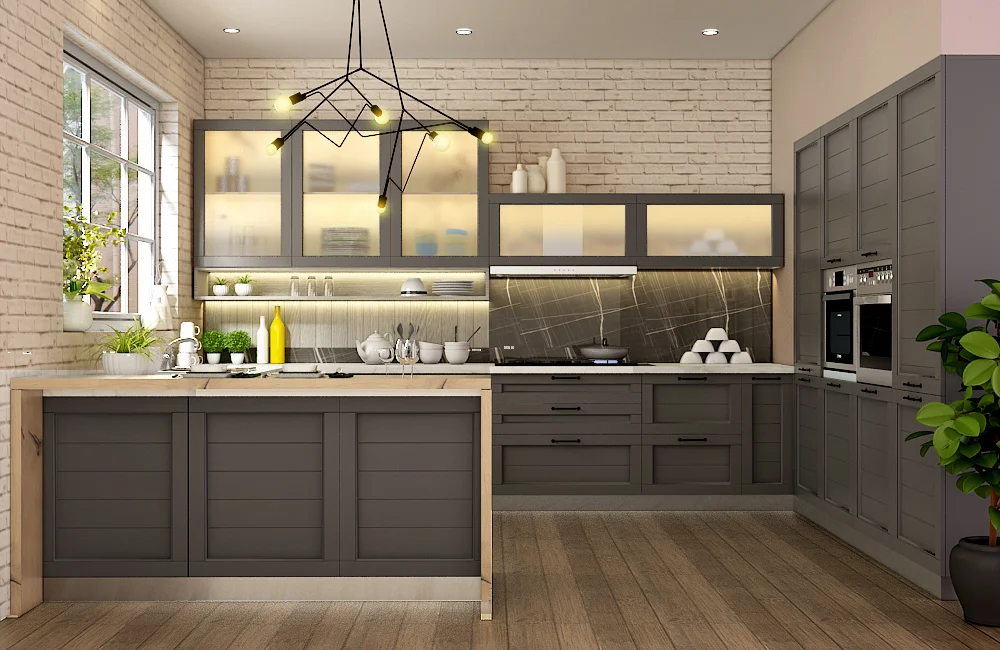
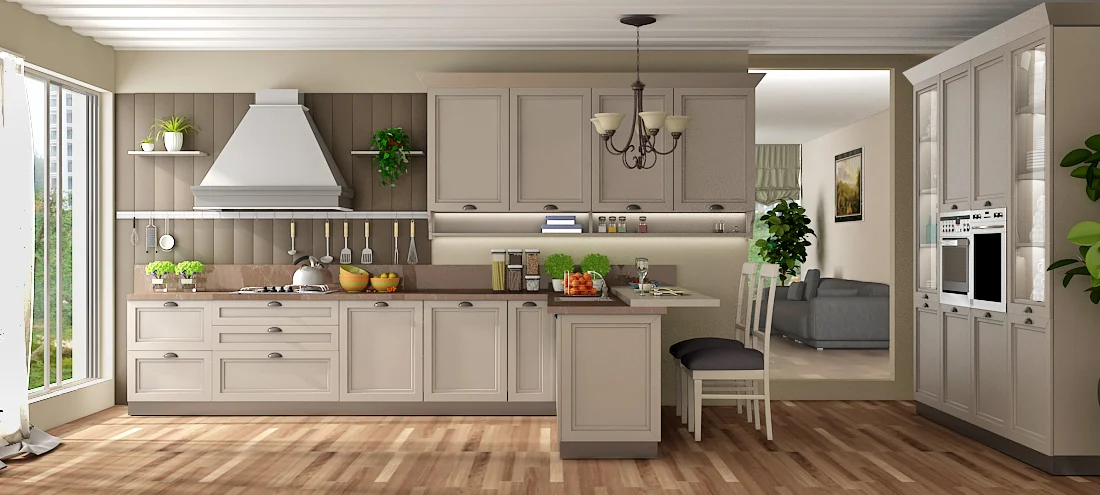
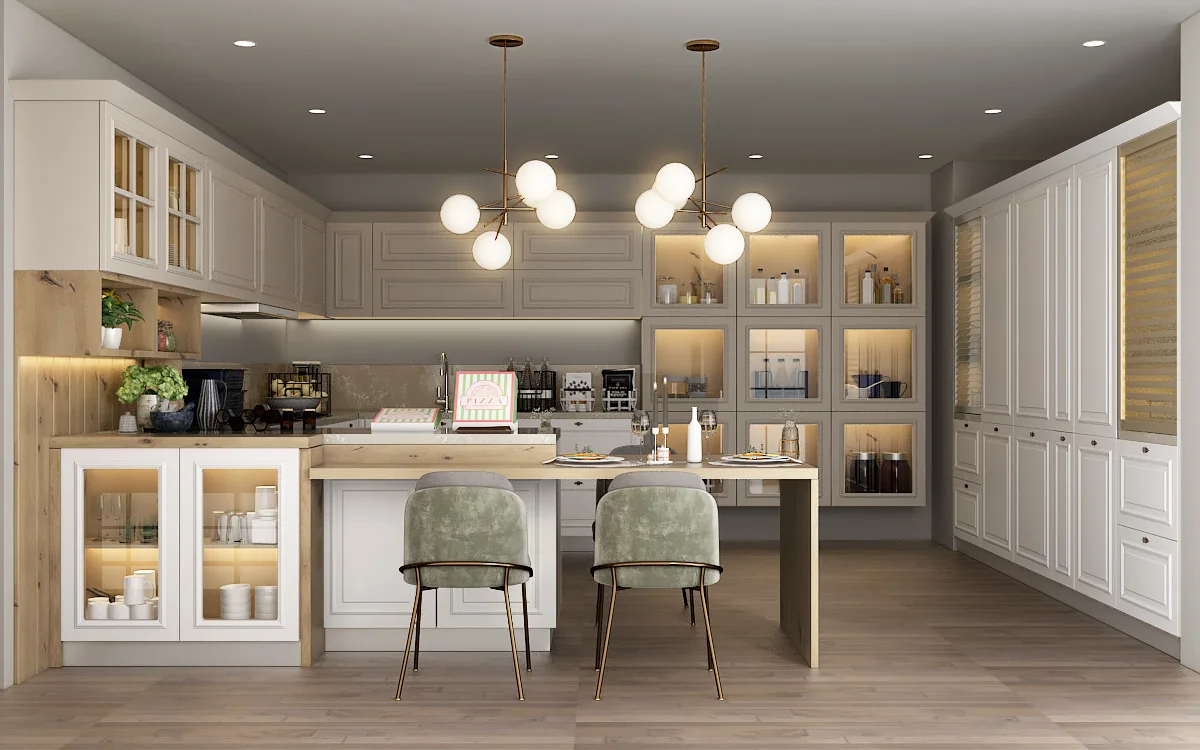
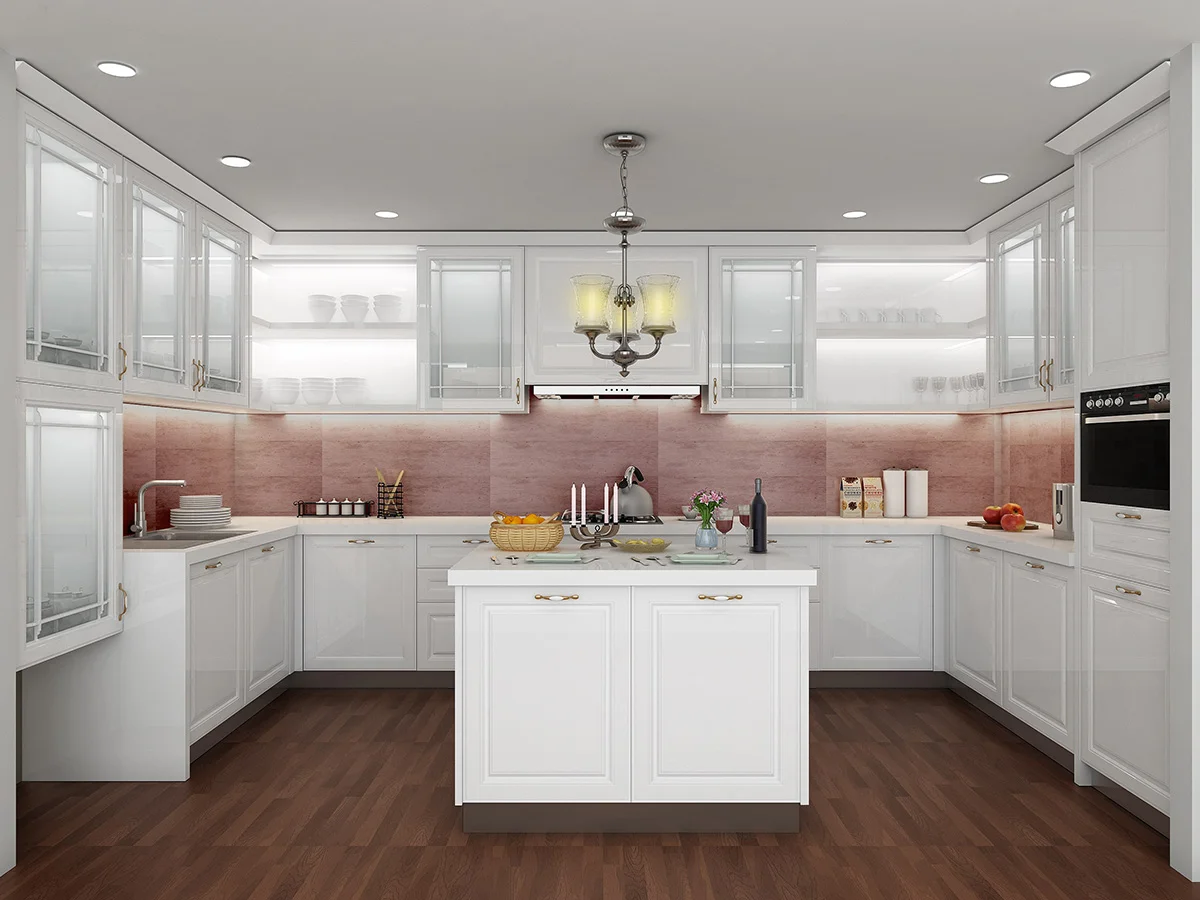
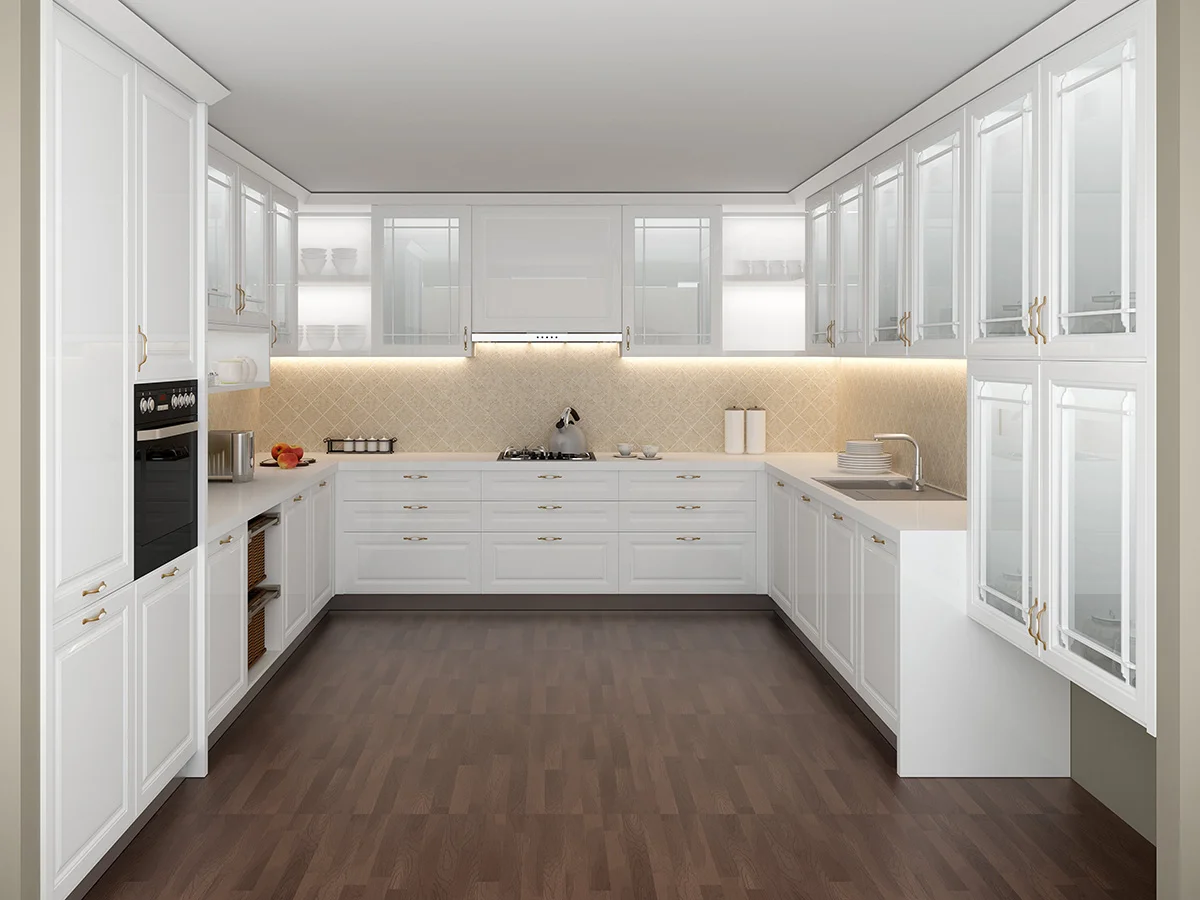
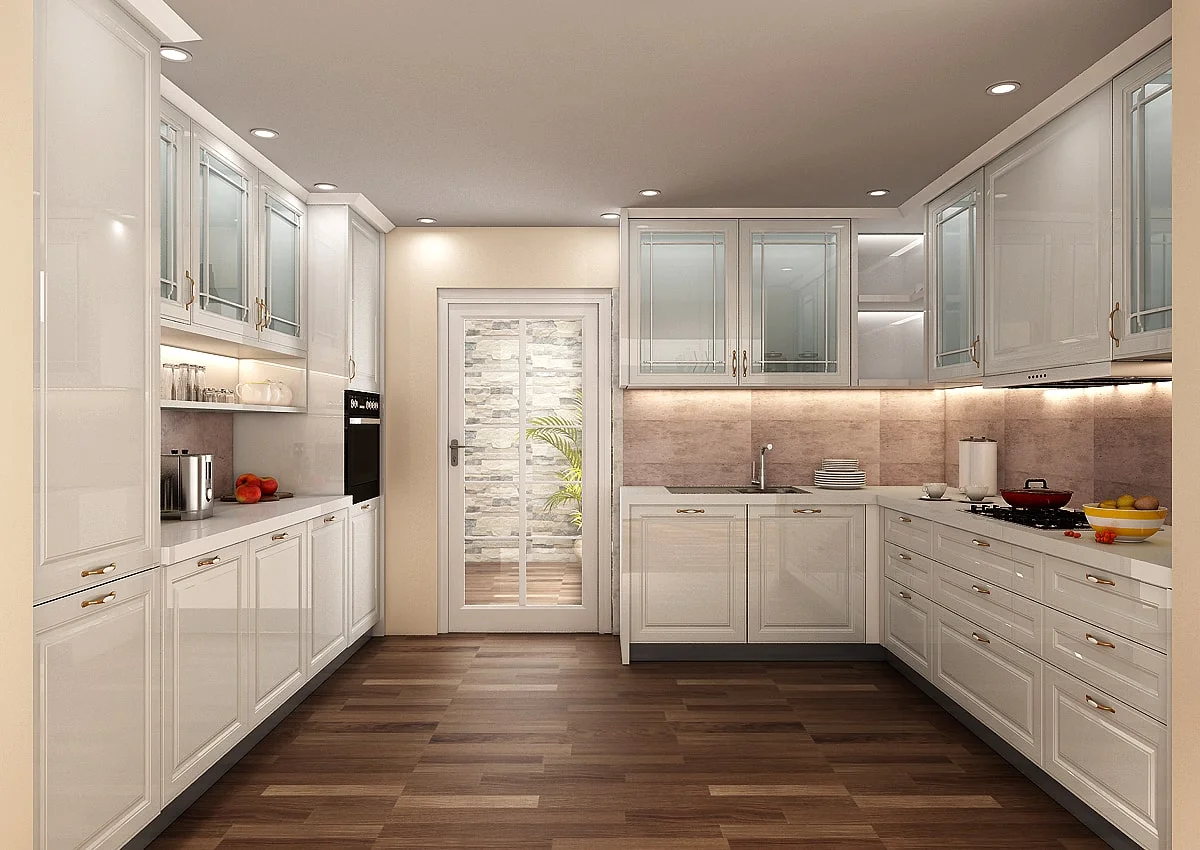
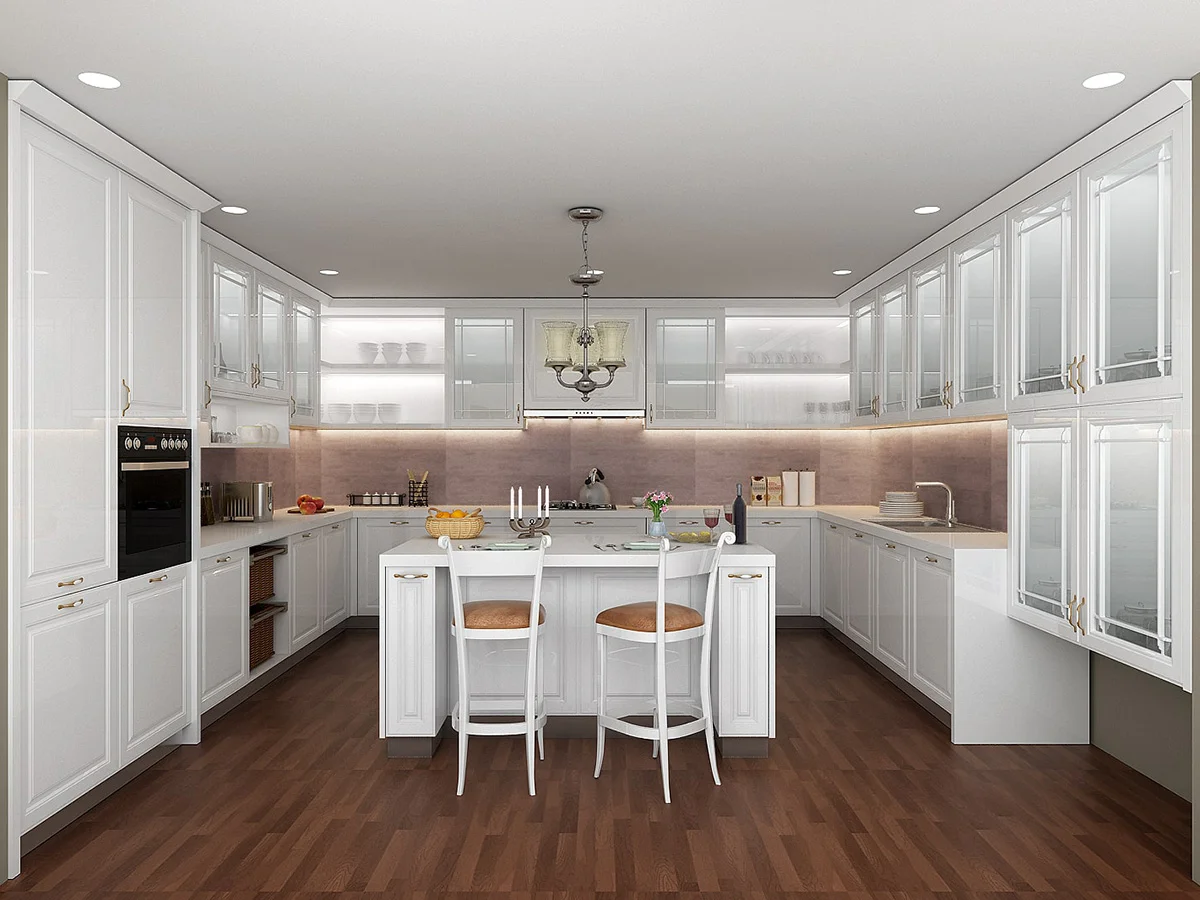
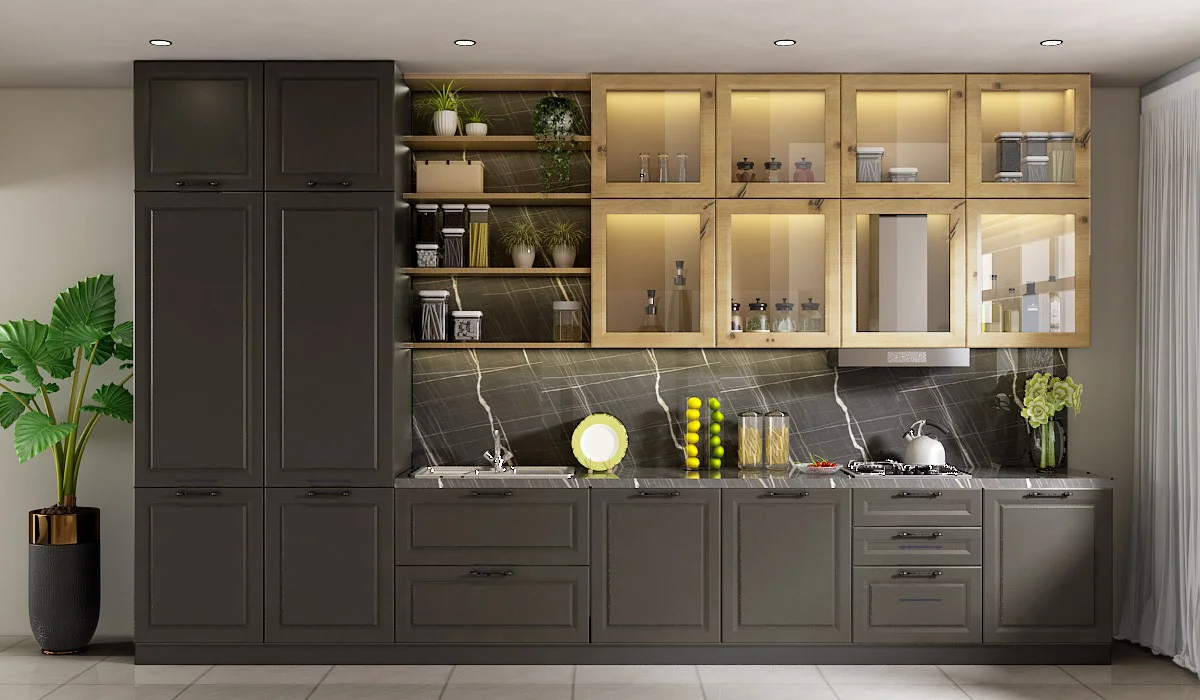
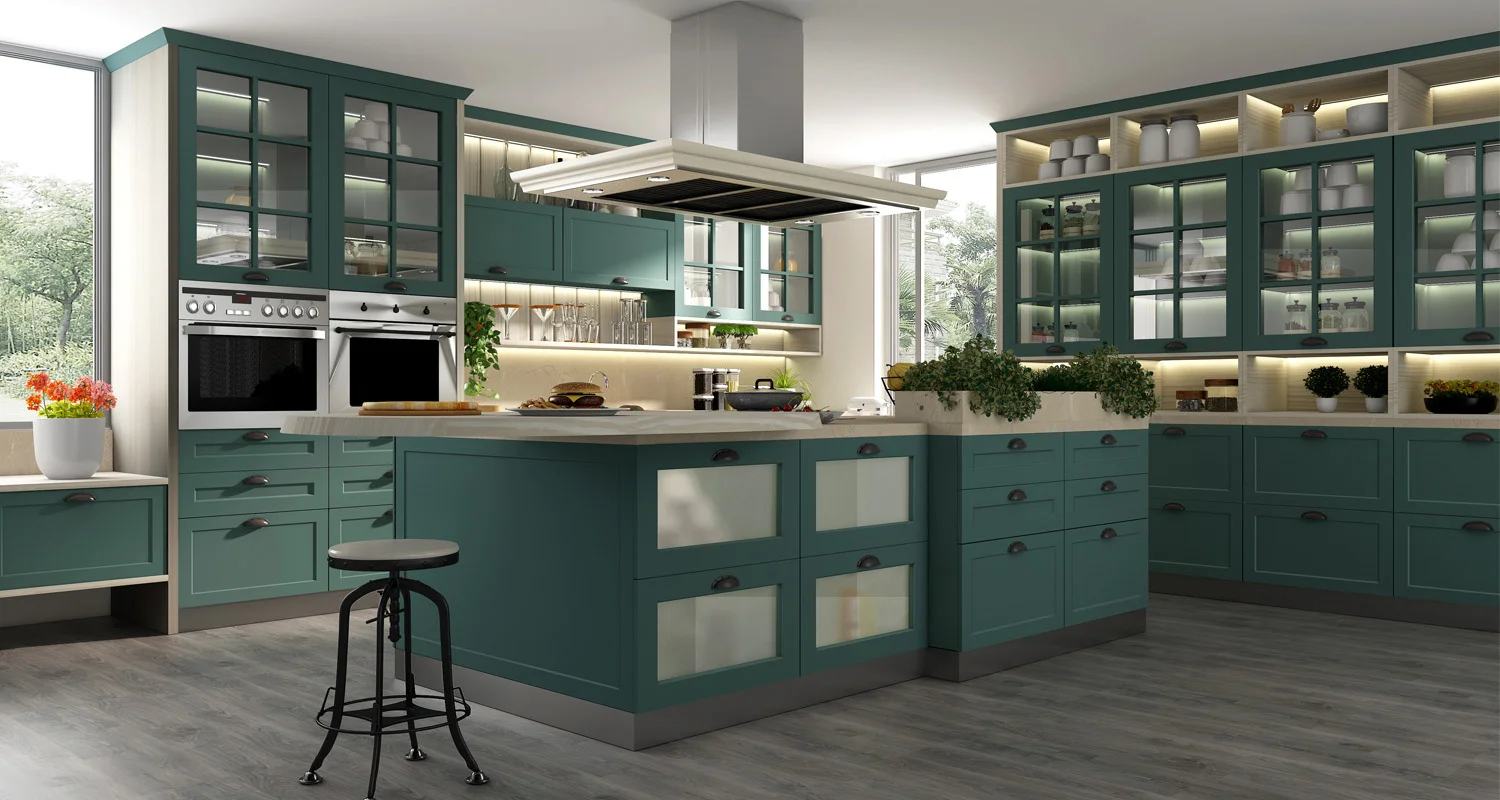
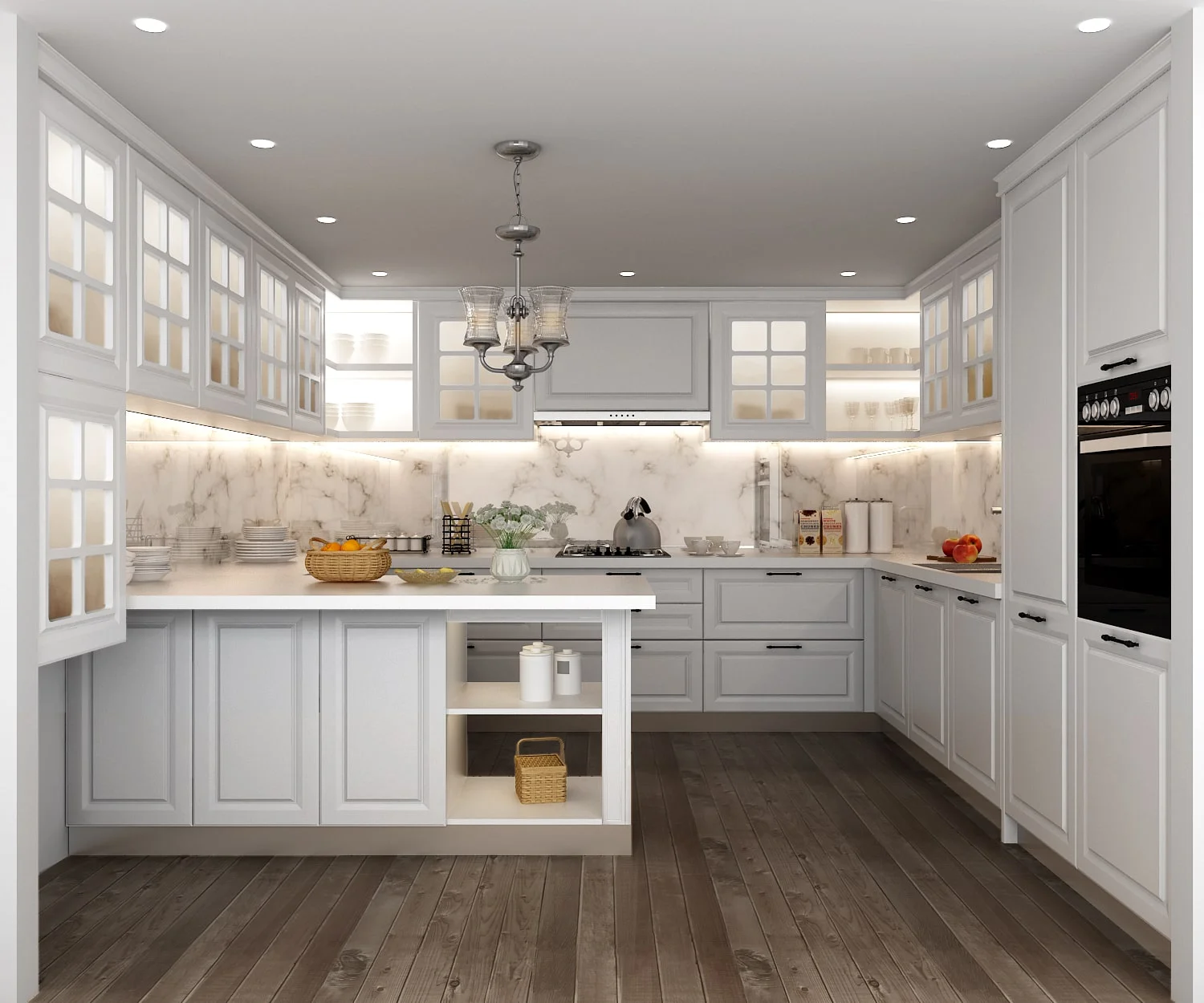
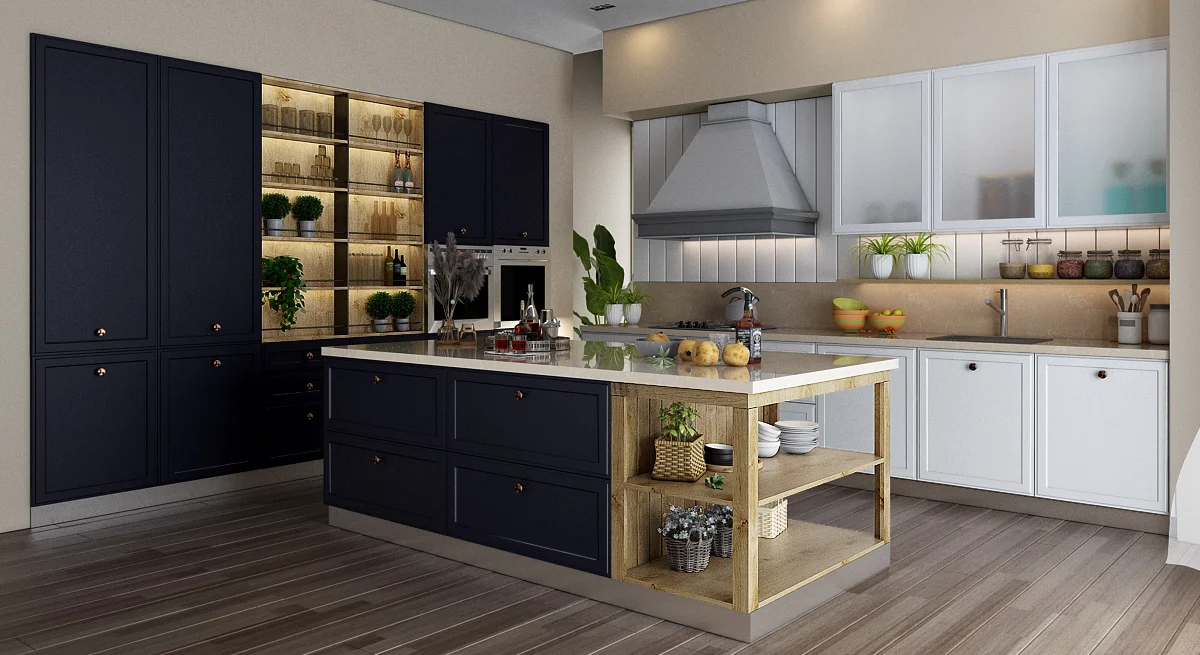
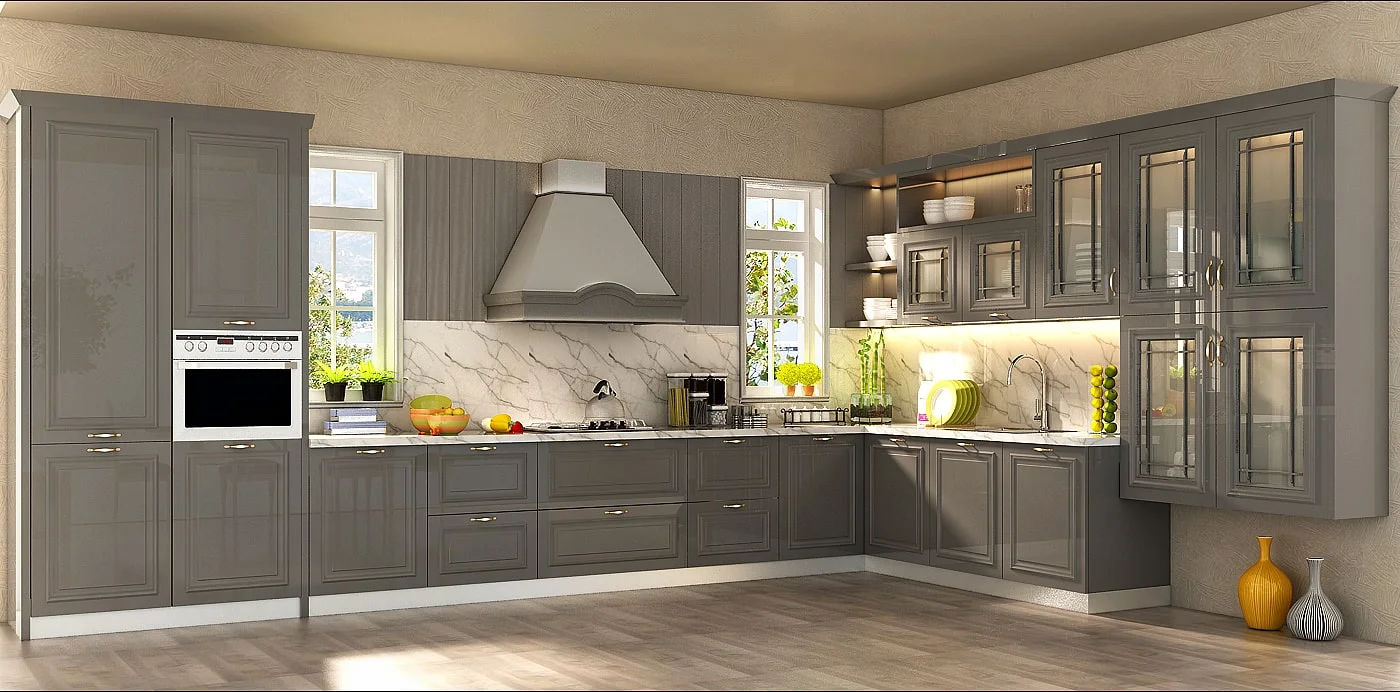
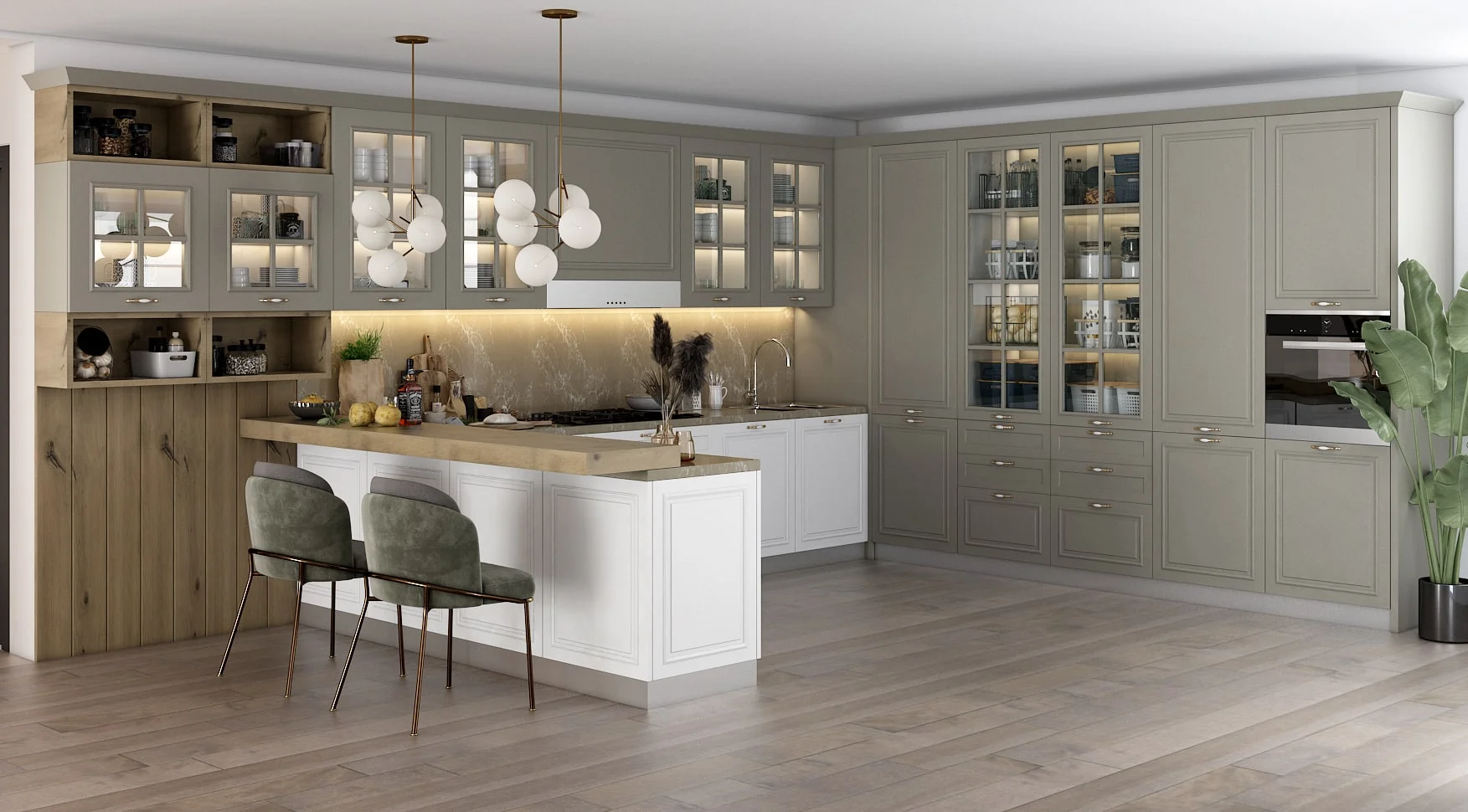
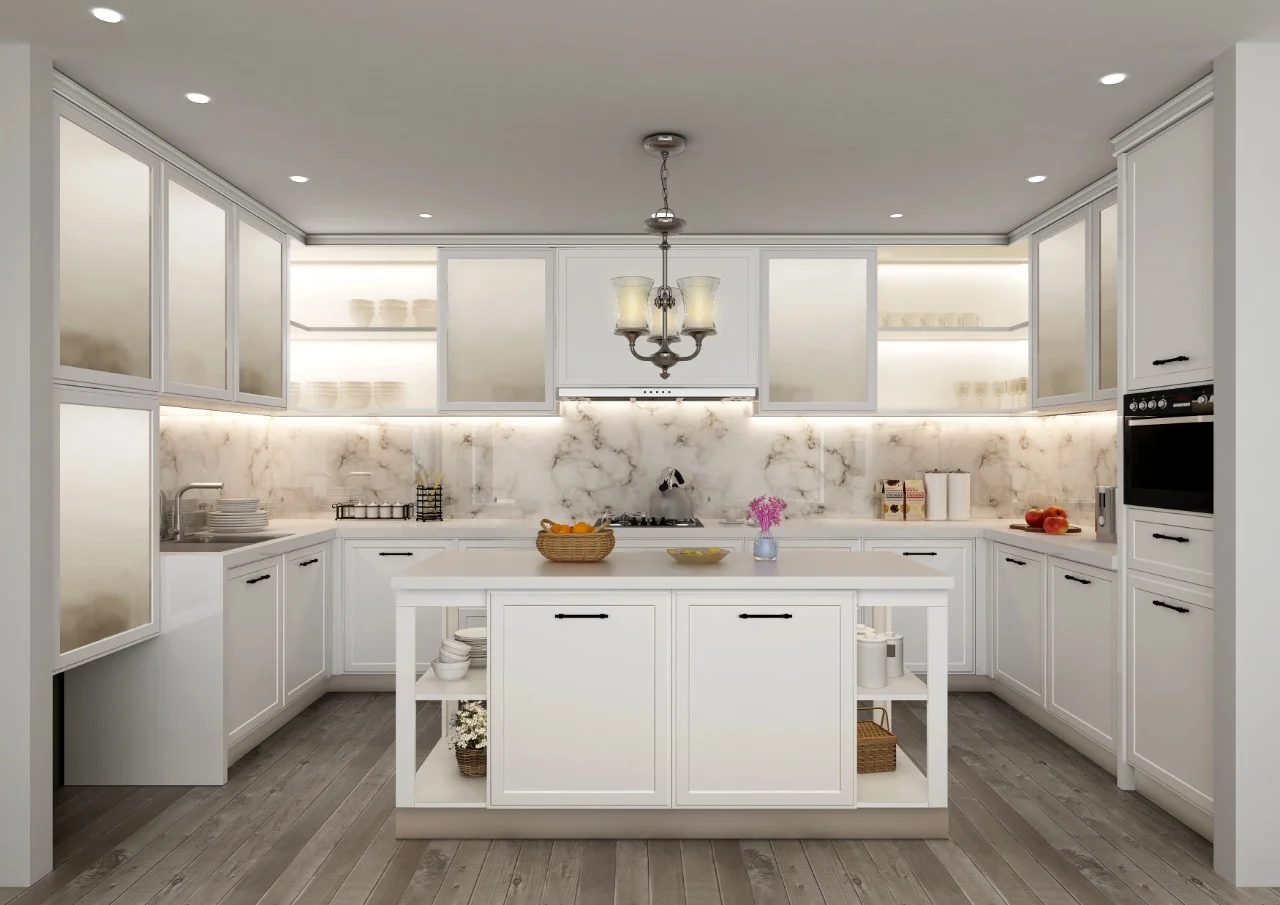
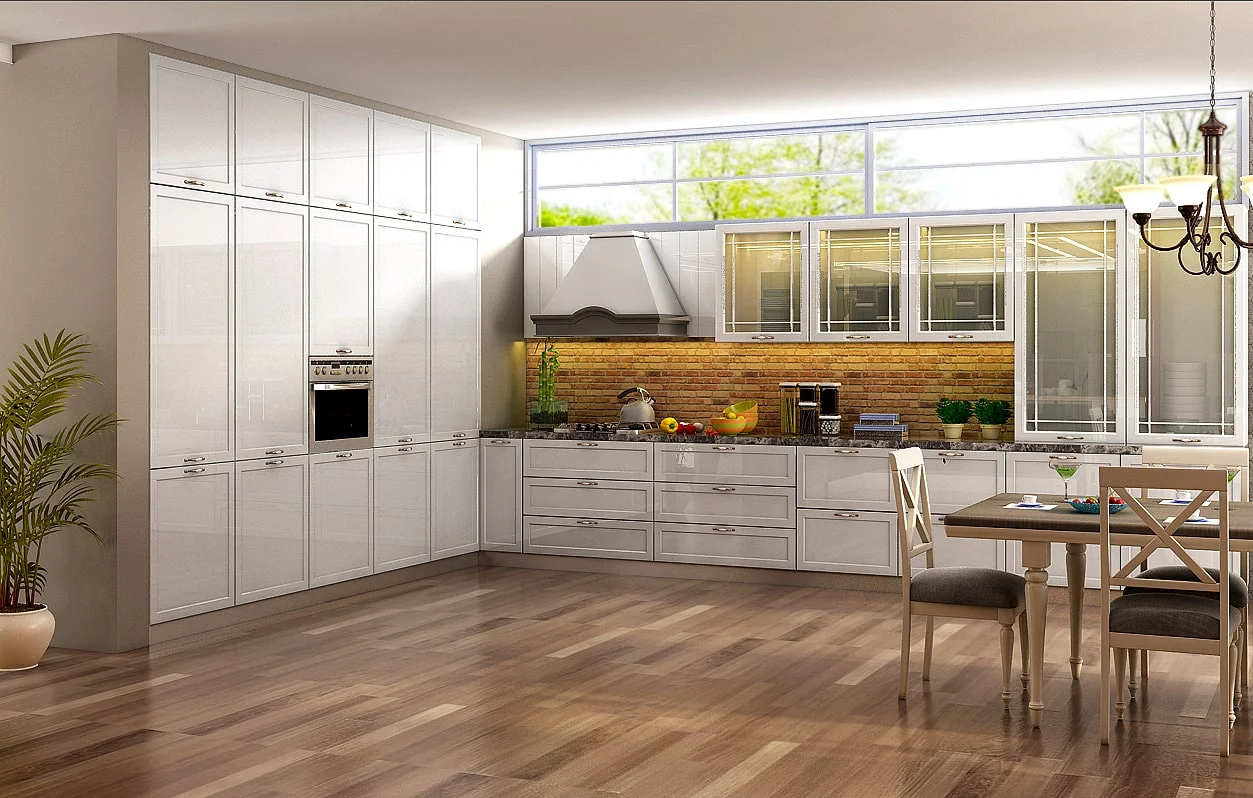
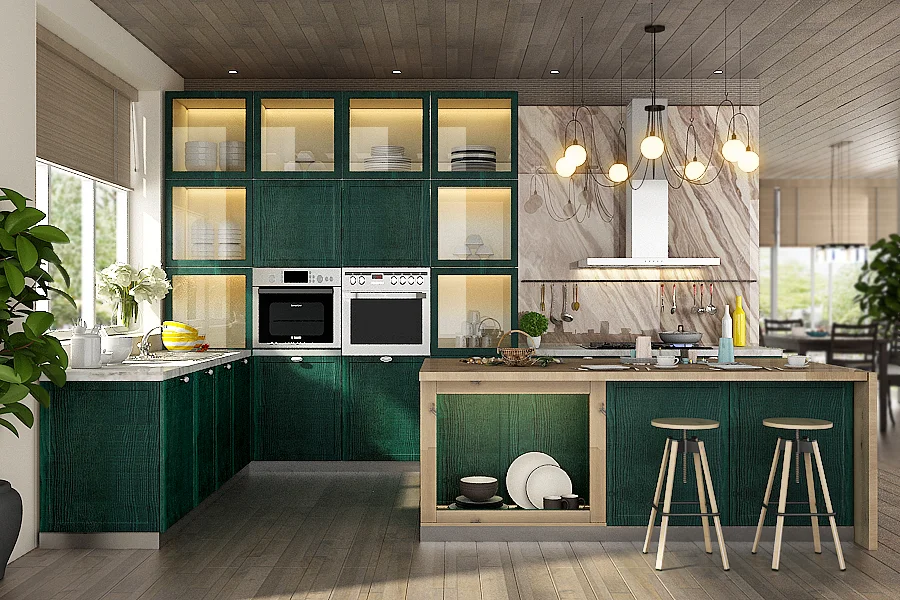
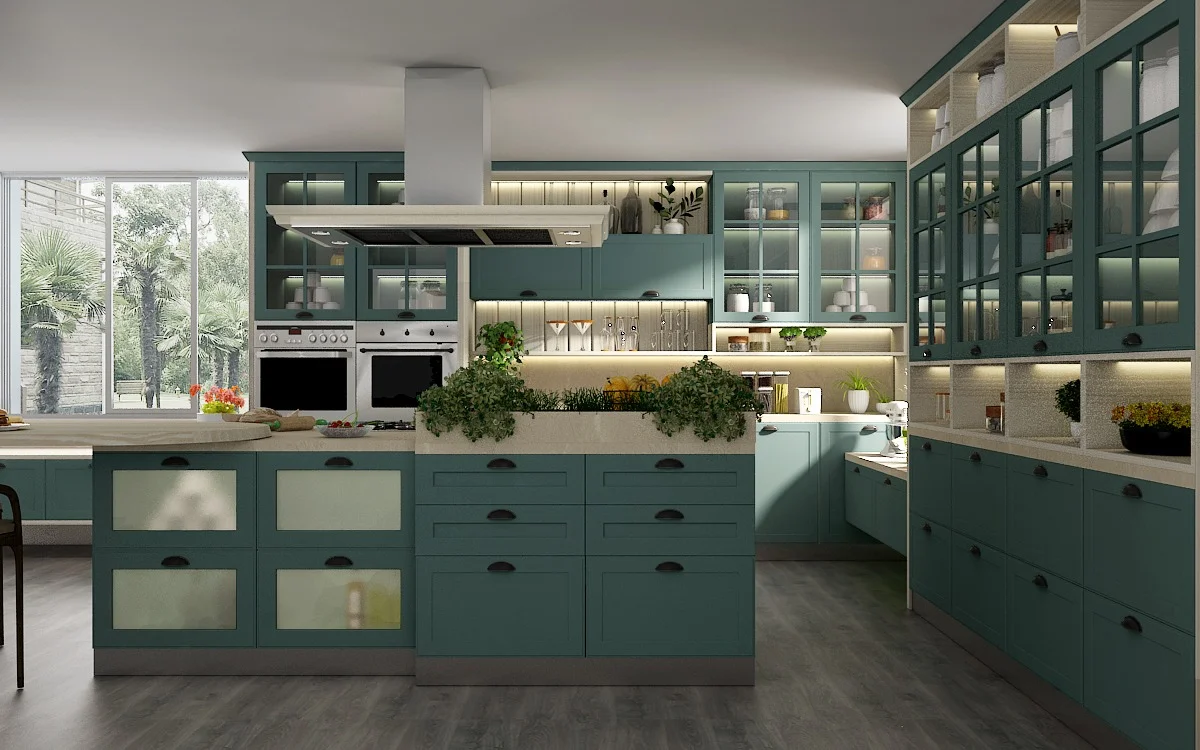
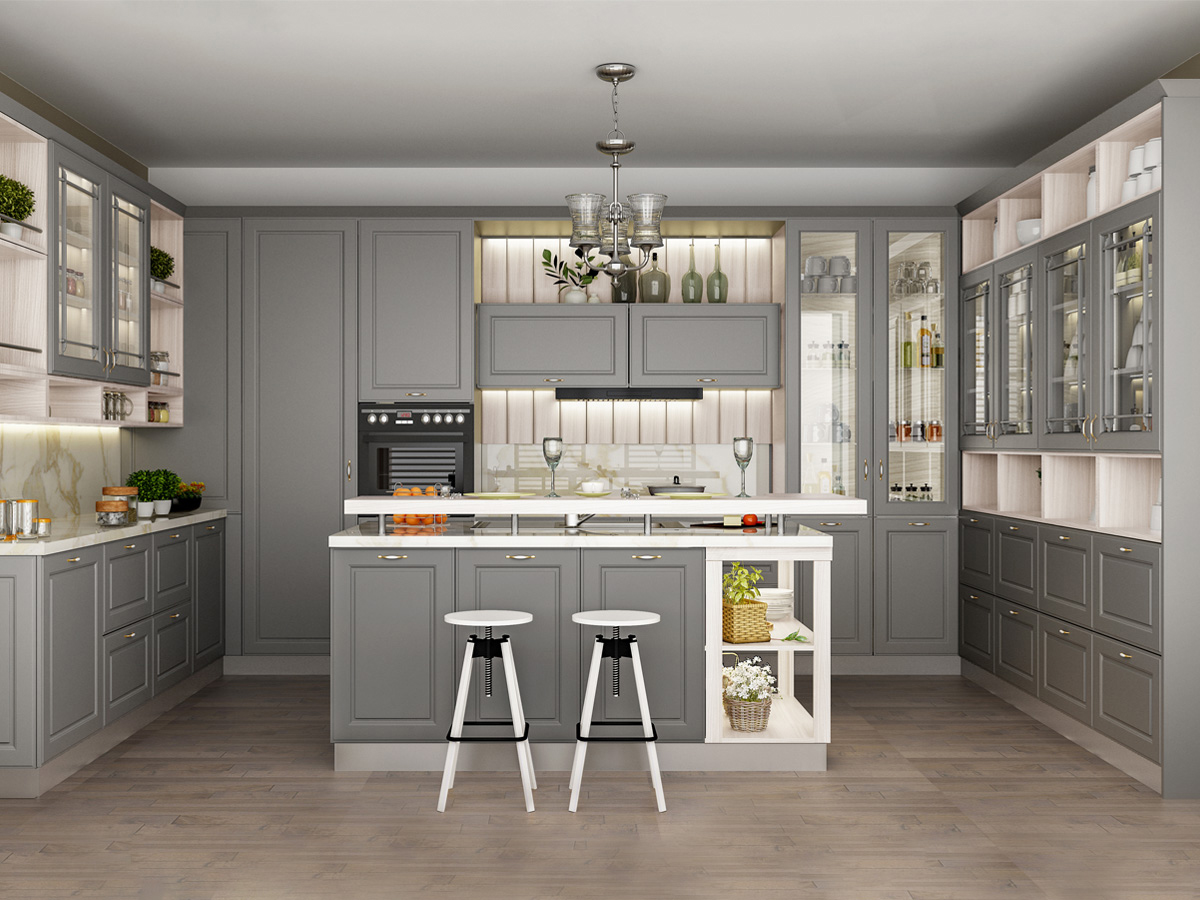
Spacewood's Classic Kitchen Designs can be planned across L-shaped, U-shaped, or parallel layouts to suit your space.
Browse our collection below to find the one that feels right for your home.

Key Information at a Glance
Frequently Asked Questions
Are Classic Kitchen Designs suitable for small Indian apartments?
Yes. Classic Kitchen Designs work well in compact spaces when lighter colour options are chosen, ivory or warm beige, moulding is kept minimal, and layouts like L-shaped or parallel configurations are used. The structured proportions of a classic kitchen can make a smaller space feel considered rather than cramped.
What is the difference between a classic and a traditional kitchen design?
Classic Kitchen Designs prioritise timeless proportion and symmetry, designed to look appropriate across time, not tied to a specific era. traditional kitchen designs often carry heavier ornamentation referencing older regional styles directly. Spacewood’s classic kitchen range draws from classic principles while being built for modern Indian use conditions.
Which materials work best for classic kitchen cabinets in India?
Moisture-resistant plywood with a laminate, membrane, or PU finish is the most practical combination. These handle the wear of daily Indian cooking, heat, oil, water, and heavy use, while maintaining the classic aesthetic.
Do classic kitchens require more maintenance?
Not more, different. Matte and textured finishes used in Classic Kitchen Designs are more forgiving of daily marks than high-gloss modern finishes. Regular wiping and periodic hardware tightening are sufficient for most finishes. Glass-front shutters require their own cleaning routine.
Are Classic Kitchen Designs more expensive than modern ones?
Not necessarily. Cost depends primarily on materials and the level of decorative detailing. A classic kitchen in a laminate finish with controlled moulding can be very close in cost to a standard modern kitchen. The finish type, not the style, is the bigger cost driver.
What colour works best for a classic kitchen in India?
Ivory, warm cream, beige, and muted wood tones are the most reliable choices for Indian interiors and lighting conditions. These palettes hold up across different home styles and do not clash with changing furniture or flooring.
Can a classic kitchen design work in a 2BHK flat?
Yes. Most Spacewood Classic Kitchen Designs are built for standard apartment sizes. L-shaped and parallel layouts work well in 2BHK kitchens. Keep detailing proportional to the space, lighter colour, reduced moulding, and ceiling-height cabinets for maximum storage without visual weight.
How long does a Spacewood classic kitchen last?
Spacewood kitchens come with up to a 10-year warranty. With proper care and the right material choices, the structure and finish of a Spacewood classic kitchen typically lasts 15 years or more.
How is a Spacewood classic kitchen different from one built by a local carpenter?
Site-built carpentry cannot deliver the manufacturing tolerances that Classic Kitchen Designs require. Frame widths vary, finish batches differ, and alignment is corrected on-site by eye. Spacewood manufactures to precise CNC tolerances, applies finish under controlled factory conditions, and checks alignment before dispatch. The difference is visible and permanent. A factory-built classic kitchen holds its proportions and finish consistency across years of use in a way that site carpentry cannot replicate.
Classic Kitchen Designs That Balance Tradition with Everyday Practicality
What defines contemporary kitchen interior design
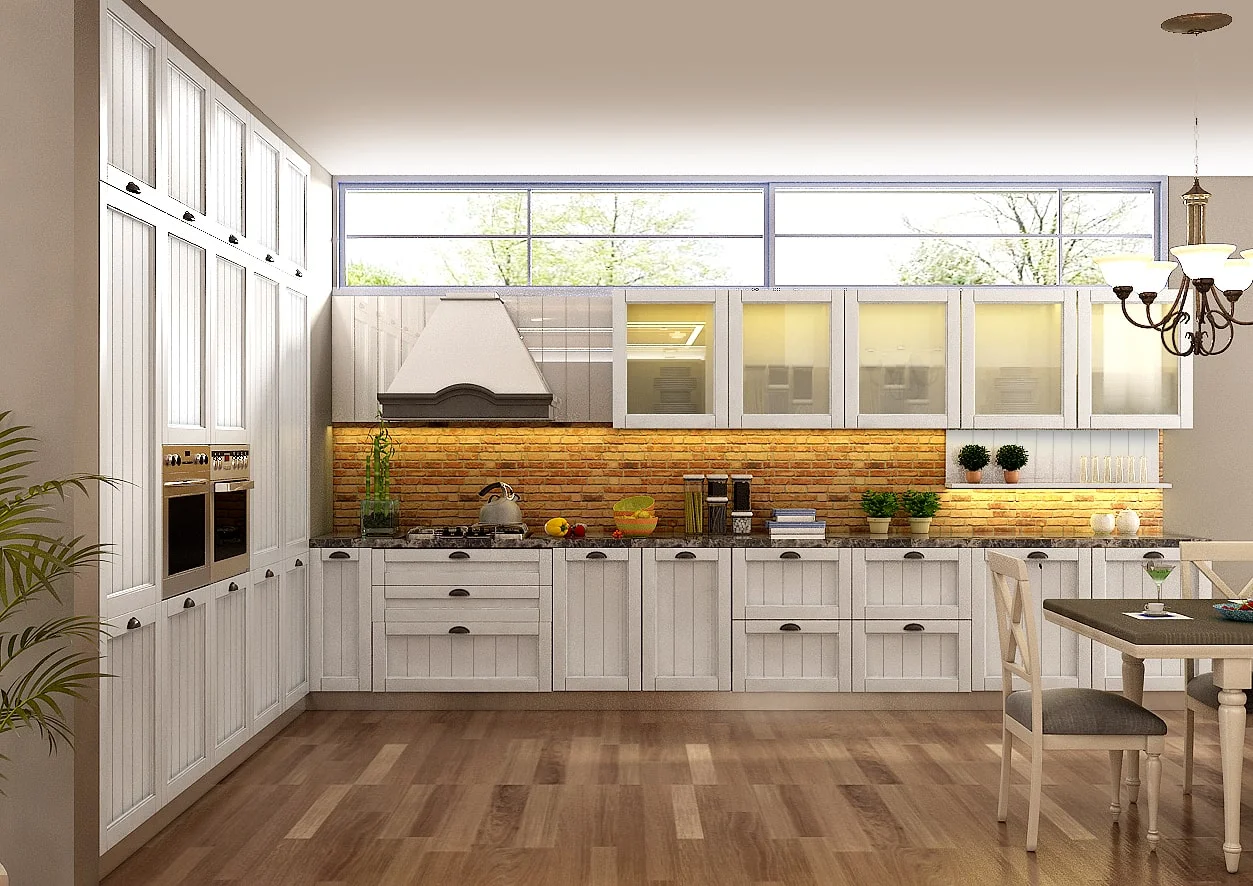
A classic kitchen is defined by balance. Not excess. Not minimalism. It sits between both. Typical elements include:- Framed cabinet shutters
- Subtle panel detailing instead of flat surfaces
- Warm colour palettes, ivory, beige, or muted wood tones
- Symmetry in cabinet placement
- Visible handles or knobs instead of handle-less systems
Why Classic Kitchen Designs Work in Indian Homes
Indian kitchens are not just used occasionally. They run hard , heavy pots, high-heat cooking, daily oil fumes, and frequent cleaning with water and detergents. Classic Kitchen Designs hold up well in this environment for a few specific reasons. They hide wear better. Matte finishes and slightly textured surfaces mask minor scratches and fingerprints that would show immediately on high-gloss alternatives. They suit larger storage needs. traditional kitchen design layouts typically include more cabinets and deeper drawers. That works well for Indian families who stock provisions in bulk and keep large cookware in regular use. They blend with changing interiors. Classic styles sit comfortably with both traditional and modern furniture without looking out of place. When sofas change or flooring is updated, the kitchen does not feel mismatched. They age with proportion, not trends. Designs built around symmetry and detailing do not look dated in four years, the way trend-driven kitchens do. That reduces the need and cost of renovation.Classic Kitchen Colour Palettes for Indian Homes
Colour is where Classic Kitchen Designs either come together or fall apart. The palettes that photograph beautifully in international references often behave differently under Indian lighting , warm afternoons, incandescent bulbs, and the ambient colour of adjacent walls all change how a cabinet finish reads in daily life. Colours that consistently work in Indian interiors:- Ivory and cream are the most widely used bases. Warm without being yellow. Works across wood tones and countertop materials.
- Warm beige and taupe, slightly deeper than ivory, these palettes age exceptionally well and conceal dust between cleanings.
- Sage green with cream accents, growing in 2026, particularly for homes with good natural light. Works when the green is muted, leaning grey-green rather than botanical.
- Off-white with brass hardware, one of the most durable aesthetic combinations. Brass warms the palette without requiring colour on the cabinet itself.
Key Design Elements in Classic Kitchen Designs
A classic kitchen is not defined by a single feature. It is the combination of small details, each executed with care.Framed Shutter Construction
Unlike flat panels, framed shutters add depth. The frame outlines the cabinet door while the inner panel is either recessed or slightly raised. Even a 2 mm variation in frame thickness becomes visible when cabinets sit side by side. Factory manufacturing resolves this during production; site-built kitchens cannot.Cornices and Mouldings
Top mouldings create a finished look between the cabinet tops and the ceiling. Without them, even a well-designed classic kitchen feels incomplete. Controlled detailing works better than elaborate woodwork in most Indian home sizes; one clean profile consistently applied reads as more refined than ornate but inconsistent work.Glass-Front Cabinets
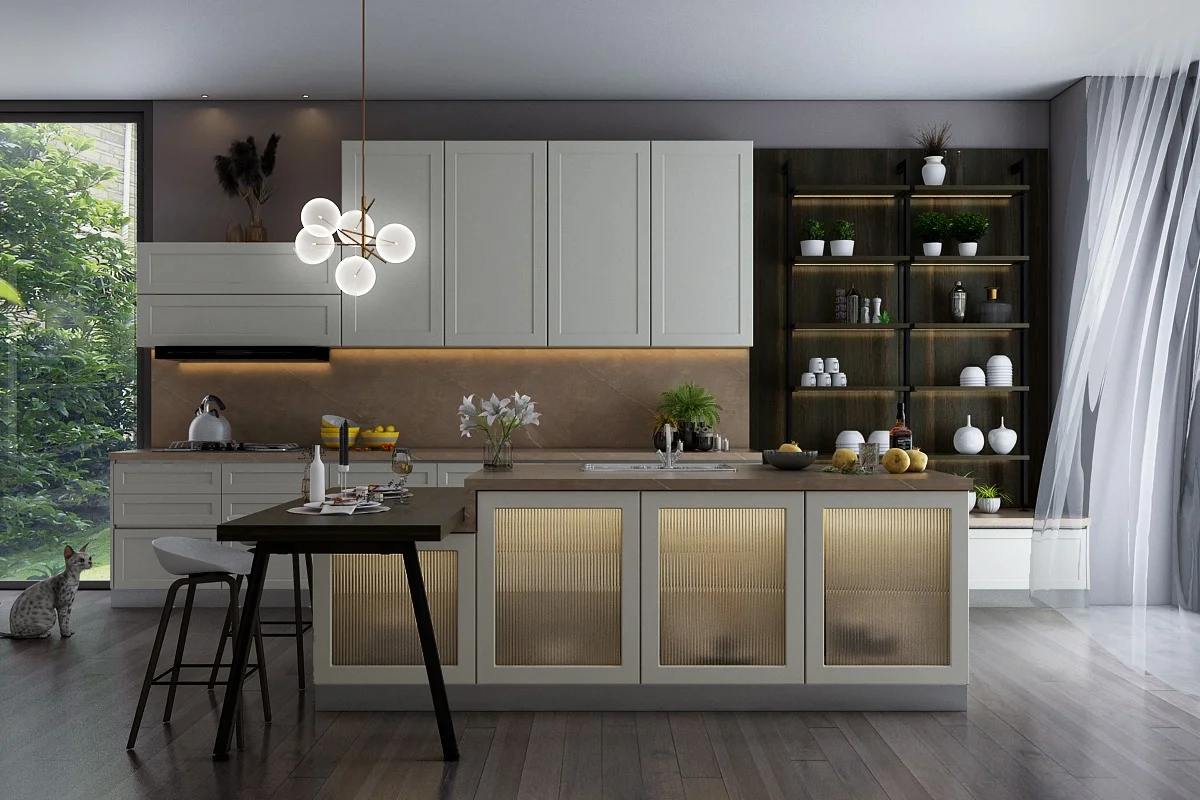
Selective use of glass shutters breaks visual heaviness. Frosted or fluted glass is almost always the better choice over clear glass in active Indian kitchens, as it softens the view of cabinet contents without exposing them. Two or three glass-front cabinets in an otherwise solid kitchen is the right proportion.Handles and Hardware
Classic Kitchen Designs use visible handles. Brass, matte black, and brushed steel are the most common choices. Brass warms an ivory cabinet. Matte black creates useful contrast against warm wood tones. Always check hardware quality; handles in a busy Indian kitchen are opened dozens of times a day. Weak fixing screws loosen within a year.Layout Planning for Classic Kitchen Designs
Classic kitchens are often associated with larger spaces. That is not always necessary. The layout matters more than the size.• L-Shaped Layout
Works well in medium-sized homes. Allows clear zoning between cooking, washing, and storage areas without congestion. Most Spacewood Classic Kitchen Designs adapt cleanly to L-shaped configurations.• U-Shaped Layout
Provides maximum counter space on three sides. Suited to households that cook frequently or have two people working in the kitchen simultaneously.• Parallel Layout
Efficient for compact spaces while maintaining a structured, symmetrical look. A minimum 4-foot clearance between the two counter runs prevents movement from becoming cramped. Most people underestimate the importance of workflow when planning layouts. The distance between the sink and the cooking hob matters more than most decorative decisions. Three to four feet between these two points makes daily cooking significantly easier.Material Selection That Supports Longevity
A classic kitchen may look traditional, but the material choices must perform in modern conditions.1)Plywood Quality
Moisture-resistant plywood is essential, especially in cities like Mumbai, Chennai, Kolkata, and coastal Kerala, where monsoon humidity is a real variable. Inferior boards absorb moisture through exposed edges and begin to swell, damage that is rarely reversible.2)Surface Finishes
Membrane finishes and PU coatings are the most common choices for classic kitchen aesthetics. Laminates can replicate traditional textures effectively at a lower cost. PU offers a smoother, more refined finish but needs careful daily maintenance. Laminates are significantly more durable for everyday use and easier to clean.View all Spacewood kitchen materials and finishes
3)Countertop
Granite remains the most practical choice for Indian kitchens, as it handles heat and oil staining better than most alternatives. Quartz offers greater colour consistency at a higher cost. Marble is visually the most elegant but the most demanding in maintenance, suitable where the surface is used for display rather than active prep.Storage Planning in Traditional Kitchen Design
Storage in classic kitchens is consistently underestimated. The focus shifts to appearance, and functionality quietly suffers. Effective storage should include deep drawers for heavy utensils and vessels, tall pantry units to ceiling height, overhead cabinets that cover all vertical space, and corner solutions, lazy susan, magic corner, or pull-out carousel, that actually work. Standard corner cabinets are a waste of space in any kitchen style. Most people do not realise how much usable volume is lost above standard-height wall cabinets. That gap collects dust and contributes nothing. Ceiling-height pantry columns recover it entirely.Explore Spacewood kitchen accessories
Classic Kitchen Design Cost in India
Classic Kitchen Designs span a wide cost range depending on material quality, finish type, detailing level, and kitchen size.- Starting from ₹2.99 lakhs, laminate finish, standard hardware, controlled moulding. Suitable for apartments up to approximately 100 sq ft of kitchen area.
- ₹4–6 lakhs, membrane or PU finish on featured cabinets, better hardware, glass-front sections, and granite countertop.
- ₹6 lakhs and above, full classic treatment with PU display cabinets, imported hardware, cornice work, quartz countertop, ceiling-height storage.
Get a free classic kitchen estimate
Manufacturing Precision and Why It Matters
Classic Kitchen Designs require consistency. Panels need to be level. Shutter gaps need to be uniform when closed. Finish across all units must match. On-site carpentry struggles to deliver this. Conditions change, materials vary between batches, and human inconsistency accumulates across a large installation. Spacewood manufactures all kitchen components in a controlled factory environment in Nagpur. CNC cutting, automated edge banding, and calibrated finishing ensure uniformity at scale. Every unit that leaves the factory is consistent with every other unit in that order. What you approve in design is what gets installed on site.Maintenance for Classic Kitchen Designs
Classic kitchens require regular upkeep to retain their appearance. The routines are simple but cannot be skipped. Wipe surfaces daily to prevent oil residue from building up in grooved areas. Avoid excessive water near cabinet joints and hinge areas. Tighten handles periodically. Keep glass-front shutters clean. Matte finishes and textured surfaces are more forgiving than high-gloss alternatives; they do not show every fingerprint or minor mark. But they reward consistent, basic care.How Spacewood Approaches Classic Kitchen Designs
Spacewood’s position is straightforward: build kitchens that work every day, not just photograph well on installation day. Classic Kitchen Designs from Spacewood are manufactured to precise tolerances, finished consistently, and installed with alignment checks at every stage. The 29-year manufacturing track record, over a million homes served, and 15+ kitchens installed daily are not claims; they reflect the process discipline that makes consistent quality possible at scale. The classic kitchen range includes designs built for different styles within the classic spectrum, from restrained and symmetrical (Amelia, Somerset, Kingston) to more detailed and traditional (Artisan, Highland, Windsor). Each is available in layouts suited to your space and storage requirements.Explore the Spacewood complete kitchen range
Classic Kitchen Designs are not about nostalgia. They are about reliability. A well-executed classic kitchen holds its proportions, its finish quality, and its storage efficiency across years of daily use. It does not ask for reinvention every four years. It supports routine without demanding attention. Spacewood- A modern living furniture manufacturer brings manufacturing discipline, material expertise, and logistical efficiency to every project. A Spacewood classic kitchen is built for kitchens that work every day, not just look good in photographs. That is the difference.