

CNC Jali Design Ideas for Every Room: Patterns, Materials and a Price Guide
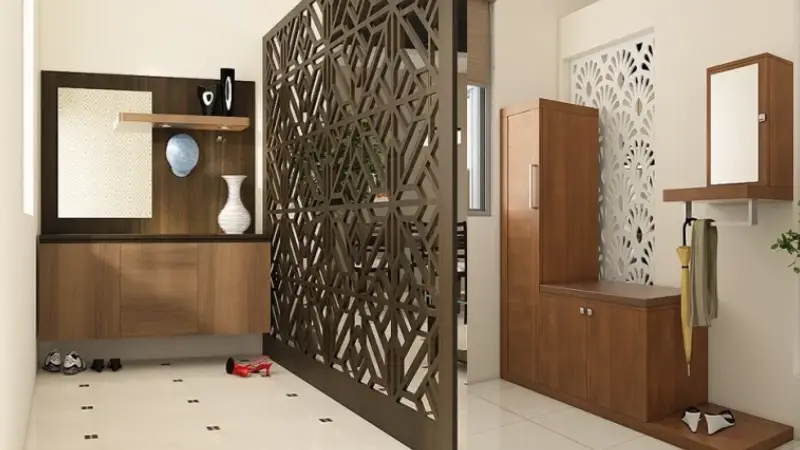
Table of Contents
Introduction
A good CNC jali design does something few other elements can – it filters light, gives you privacy and turns a plain surface into a piece of art, all at once. Whether you are planning a front elevation, a living-dining partition or a pooja room door, the right cnc jali design adds pattern and depth without closing off the space. In this guide we walk through what a CNC jali design really is, how the cutting works, which materials suit indoor versus outdoor use, real price ranges in rupees per square foot, and then a large gallery of 30-plus modern cnc cutting designs patterns you can borrow for your own home in 2026.
What is a CNC jali design?
A jali is a perforated screen – a lattice of repeating cut-outs that lets air and light pass through while blocking direct sight. A CNC jali design simply means that pattern is cut by a CNC (Computer Numerical Control) machine, which follows a digital drawing to route or cut the shape into a sheet of wood, MDF, metal or acrylic with machine-level accuracy. A laser cut jali design does the same job using a focused laser beam instead of a spinning bit.
The idea is far from new. The jali tradition in India, and the closely related mashrabiya screens of the Middle East, go back centuries and were built by hand to cool interiors and shield them from harsh sun while keeping privacy. Modern CNC and laser machines take that same principle and make it fast, repeatable and affordable, so the intricate patterns that once needed a master craftsman can now be cut in a single sheet in hours.
How does CNC cutting work?
CNC cutting starts with a digital file. A designer draws the jali pattern in software (usually a vector file), sets the sheet size and thickness, and the machine reads those coordinates to cut the exact shape. There is no hand tracing, so every panel comes out identical – which is why CNC is ideal for repeating jali patterns across a large elevation or a full wall.
- Design: the pattern is drawn as a vector file and the cut paths are mapped.
- Setup: the sheet – wood, MDF, HDHMR, PVC, acrylic or metal – is fixed to the machine bed.
- Cutting: a router bit (CNC) or laser beam traces the pattern and removes material to create the open jali.
- Finishing: edges are cleaned, then the panel is sanded, sealed, painted, laminated or powder-coated.
Because the whole process is driven by a file, you can scale a motif up or down, mirror it, or repeat it seamlessly – which is what makes modern cnc cutting designs patterns so flexible for interiors and elevations alike.
CNC vs laser vs router cutting: what is the difference?
People often use CNC, laser and router interchangeably, but there are real differences that affect finish, cost and which material you should pick. A CNC router uses a spinning bit and is the workhorse for thicker, sturdier jali, while a laser cut jali design holds very fine detail in thin sheets. Here is a quick side-by-side comparison to help you choose.
| Factor | CNC Router | Laser | Manual Router |
| How it cuts | Spinning bit follows a digital path | Focused beam burns or melts through | Hand-guided bit, no digital file |
| Best material | Wood, MDF, HDHMR, WPC, acrylic | Thin MDF, acrylic, thin wood and metal | Wood and MDF only |
| Thickness | 6 to 25 mm and more | Thin sheets, best under 12 mm | Depends on the operator |
| Detail level | Clean, with real 3D depth | Very fine, intricate patterns | Coarser, less repeatable |
| Edge finish | Smooth, may need light sanding | Sharp but can char wood edges | Rougher, needs hand finishing |
| Repeatability | Identical every panel | Identical every panel | Varies panel to panel |
| Best for | Elevations, partitions, furniture | Delicate mandir and feature jali | One-off small custom pieces |
The rule of thumb: go laser for fine detail in thin sheets, go CNC router for thicker material and deeper, sturdier jali, and use metal-specific plasma or waterjet cutting for exterior gates and grilles.
Which materials are best for CNC jali?
Material choice is the single biggest decision in any cnc jali design, because it controls the look, the durability and whether the panel can survive outdoors. The table below sums up how the common options compare for Indian homes, followed by a few notes on each.
| Material | Indoor / Outdoor | Cost | Durability |
| Solid wood (teak, sheesham) | Indoor and semi-covered | High | Strong indoors, needs sealing against moisture and termites |
| MDF | Indoor only | Low to moderate | Good indoors, swells if wet |
| HDHMR | Indoor and semi-exposed | Moderate | Tougher, resists moisture and borer better than MDF |
| PVC and WPC | Indoor and outdoor | Moderate | Waterproof and termite-proof, very low maintenance |
| Acrylic | Indoor | Moderate to high | Durable, scratch-prone, ideal for backlit jali |
| Metal (MS, steel, corten, brass) | Outdoor and indoor | High | Most durable and weatherproof, powder-coat for long life |
- Solid wood (teak, sheesham): premium, warm grain, strong. Best for feature interiors and semi-covered spaces. Higher cost and needs sealing against moisture and termites.
- MDF: the most popular indoor jali material – smooth, takes paint and laminate beautifully, cuts crisply. Not for direct outdoor or wet use. Common thicknesses 6, 12 and 18 mm.
- HDHMR: a denser, tougher engineered board that resists moisture and borer better than MDF – a good pick for semi-exposed or high-traffic indoor jali.
- PVC and WPC: waterproof, termite-proof and low maintenance – the go-to for balconies, bathrooms and semi-outdoor jali where you want a wood look without the upkeep.
- Acrylic: translucent and available in colours – superb for backlit jali and feature walls where you want the light to glow through.
- Metal (MS, stainless steel, corten, brass): the most durable and weatherproof – the right choice for main gates, exterior elevations, railings and grilles. Powder-coat or galvanise for a long outdoor life.
- The simple indoor-versus-outdoor rule: MDF, HDHMR and solid wood for interiors; PVC, WPC and metal for anything exposed to sun, rain or moisture. Getting this right the first time saves you from warping, swelling and repainting later.
How much does a CNC jali design cost per sq ft in India?
Pricing depends on material, thickness, pattern density (more cut-outs means more machine time) and the finish. As a working guide for 2026, here are typical ranges for cutting and basic finishing per square foot in India.
| Material | Approx Rs / sq ft |
| MDF jali (before lamination or paint) | Rs 200 to Rs 350 |
| HDHMR jali | Rs 300 to Rs 500 |
| PVC and WPC jali | Rs 250 to Rs 450 |
| Acrylic jali | Rs 350 to Rs 700 |
| Solid wood jali | Rs 700 to Rs 1,500 plus |
| Metal jali (with powder-coat) | Rs 500 to Rs 1,200 plus |
Treat these as indicative starting points – a dense, intricate laser cut jali design costs more than a simple open geometric pattern because the machine has to cut far more line length. Always ask your fabricator for a quote based on your exact drawing, thickness and finish.
30+ CNC jali design ideas for 2026
Now the fun part. Below are more than thirty ways to use a CNC or laser cut jali across your home, grouped by where they go. Mix and match – the same motif can flow from your elevation to a partition to a wardrobe shutter to tie the whole home together. If you are styling more than one room, our guide to complete house interior design shows how a single jali motif can knit an entire home together.
CNC jali design for front elevation and exterior
A cnc jali design for elevation is one of the fastest ways to give a facade character and cut the afternoon heat at the same time. Because these panels face sun and rain, stick to weatherproof materials – powder-coated metal, WPC or marine-grade options – so the jali stays crisp for years. Planning a cnc jali design for elevation also lets you carry the same modern cnc cutting designs patterns from the facade into the interiors for a joined-up look.
1. A full-height metal jali screen across the front facade for shade and a signature look.
2. A corten or MS geometric jali box over balconies for privacy from the street.
3. A WPC jali cladding strip framing the main entrance for a warm welcome.
4. A perforated jali parapet on the terrace instead of a solid wall.
5. A laser cut metal jali over staircase or lift-lobby openings.
6. A mashrabiya-inspired jali screen on a west-facing wall to block glare.
Partition and room divider jali ideas
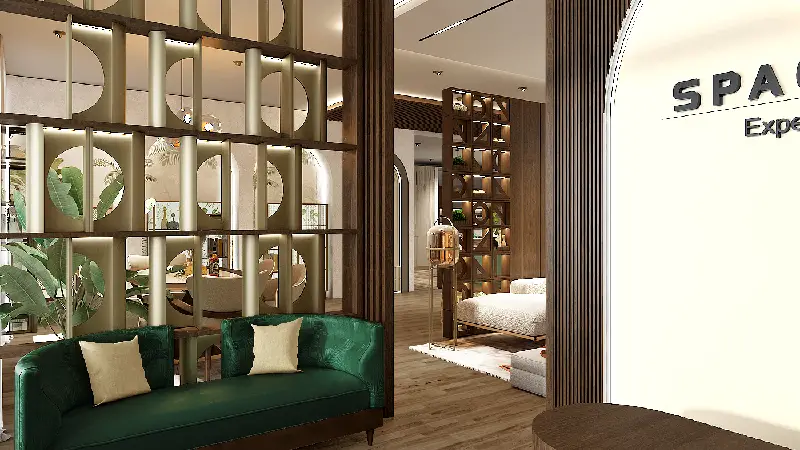
A jali partition is our favourite trick for open-plan Indian homes – it separates the living and dining zones without walling them off, so light and air keep flowing. For more inspiration on dividing these zones, see our guide to living room partition designs.
7. A floor-to-ceiling MDF jali between living and dining, painted to match the wall.
8. A half-height jali screen behind the sofa to define the seating zone.
9. A freestanding jali room divider that doubles as a slim display shelf.
10. A laser cut jali design framing the foyer to hide the living room from the entrance.
11. A jali screen between the staircase and living area for airy separation.
12. An acrylic-and-wood jali partition for the home office nook.
Pooja room, mandir door and arch jali
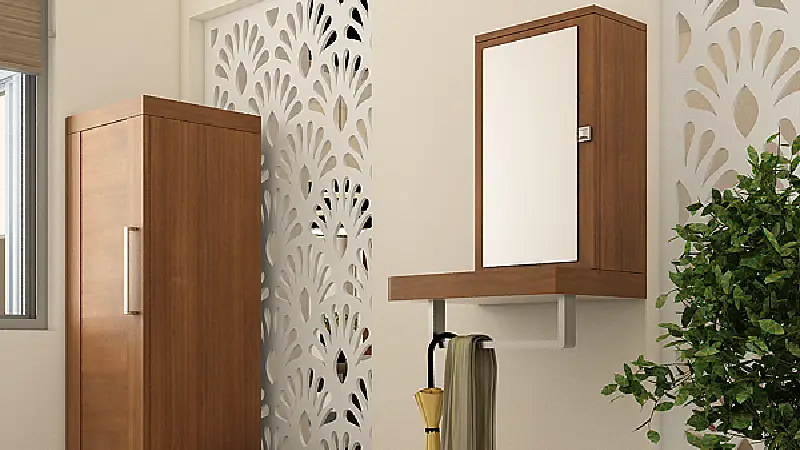
Jali and the pooja room are a natural match – the perforations let light and incense move through while keeping the space serene. A mandir jali door or arch is one of the most requested cnc jali design pieces in Indian homes. For a full room, browse our pooja room design ideas.
13. A sliding mandir jali door with an Om or floral motif.
14. A backlit jali arch framing the deity for a soft glow.
15. A jali screen enclosing a compact pooja niche in an apartment.
16. A brass or gold-finish laser cut jali panel behind the idols.
17. A jali-topped mandir cabinet that hides storage below.
False ceiling, headboard and feature wall jali
Overhead and behind-the-bed, a jali panel adds pattern where you least expect it. Pair it with concealed LED strips and the perforations turn into a glowing feature after dark.
18. A backlit jali insert in the false ceiling above the dining table.
19. A full jali headboard wall in the master bedroom.
20. A backlit acrylic jali feature wall behind the TV unit.
21. A jali-and-mirror combination in the dressing area.
22. A geometric jali wall-art panel in the living room, lit from the sides.
23. A jali ceiling cove that softens the light in the lounge.
Doors, wardrobes and modular furniture jali
This is where a modular-furniture brand really adds value. Instead of a standalone screen, we integrate a cnc jali design straight into the furniture – shutters, fronts and panels – so the pattern feels built-in rather than bolted on. For more on entrances, see our home door design ideas.
24. Wardrobe shutters with a slim jali strip for a ventilated, decorative front.
25. Crockery-unit and bar-unit fronts with a backlit jali insert.
26. Kitchen tall-unit shutters carrying a subtle jali motif.
27. A TV panel with a jali section that hides the router and speakers while letting the signal through.
28. Sliding wardrobe doors with a laser cut jali design over a mirror or fabric back.
29. Bed-side and console fronts with a matching jali detail to tie the room together.
Balcony, railing, gate and window jali
For anything exposed to the weather, jali earns its keep twice over – privacy plus shade. Choose metal or WPC here so the panel shrugs off sun and rain.
30. A WPC jali balcony railing for privacy from neighbours.
31. A laser cut metal main gate with a bold geometric jali.
32. A jali window screen or lattice that filters harsh light.
33. A jali-clad AC or utility ledge cover that hides clutter.
34. A jali screen around the balcony garden for a cool, dappled shade.
Pattern styles and Indian motifs
The pattern you choose sets the mood. Modern homes lean geometric and abstract; traditional and pooja spaces lean floral and figurative. Common jali styles include:
- Geometric: hexagons, chevrons, interlocking grids – clean and contemporary.
- Floral and vine: soft, organic curves that suit pooja rooms and classic interiors.
- Abstract and organic: free-flowing, art-like patterns for feature walls.
- Mashrabiya and Islamic lattice: dense, symmetrical geometry with heritage roots.
- Motif and figurative: Om, Ganesh, peacock, lotus and tree-of-life designs for spiritual spaces.
- Vastu-friendly picks: many families choose auspicious motifs and place the mandir jali on the north-east – simple choices that make the space feel right.
How to add backlighting to a jali panel?
Backlighting is what turns a nice jali into a showstopper. The trick is to keep the light source hidden and diffused so you see the glowing pattern, not the LED dots.
- Leave a 40 to 75 mm gap between the jali and the back surface so the light spreads evenly.
- Run a warm-white or tunable LED strip around the inside edge, aimed at the back panel, not straight at the viewer.
- Use a translucent acrylic or a matte-painted board behind the jali to diffuse the glow.
- For colour, an acrylic jali in amber or white throws the softest light – ideal behind a TV unit or in a mandir.
- Put the backlight on a separate dimmer so you can drop it to a gentle night glow.
How do you maintain a jali by material?
A jali has lots of edges and gaps, so a little routine care keeps it looking sharp. Maintenance depends entirely on the material.
- MDF and wood: dust with a dry or barely-damp cloth, never soak. Re-seal wood periodically and keep it away from standing water.
- PVC and WPC: the easiest to clean – wipe with a damp cloth and mild soap; fully water-safe.
- Acrylic: use a soft microfibre cloth and a plastic-safe cleaner to avoid scratches.
- Metal: wipe down and check the powder-coat or galvanising on exterior pieces once a year to prevent rust.
- For intricate laser cut jali design panels, a soft dusting brush or a vacuum with a brush head reaches into the fine cut-outs.
Budget and cost-saving tips for CNC jali
You can get the jali look without the premium bill by being smart about material, pattern and placement.
- Use a more open, simpler pattern – fewer cuts means less machine time and a lower cost.
- Choose MDF for indoor jali and reserve solid wood or metal for the few spots that truly need it.
- Repeat one motif across the home so a single design cost covers partitions, shutters and the pooja screen.
- Pick a standard sheet thickness (12 or 18 mm) to avoid custom-material surcharges.
- Integrate the jali into furniture you are already building – a wardrobe or TV unit – rather than paying separately for a standalone screen.
Conclusion
A well-placed cnc jali design does a lot with a little – privacy, shade, ventilation and a strong visual identity, all from a single cut sheet. Start with the material (indoor MDF or wood, outdoor WPC or metal), pick a pattern you can repeat across the home, get your price per square foot in writing, and add backlighting where you want the wow. From a front elevation to a mandir door to a wardrobe shutter, the same idea scales beautifully.
At Spacewood we have been building modular furniture for nearly three decades – made in Nagpur on European machinery in moisture-resistant engineered wood. We do not fabricate standalone jali screens, but we love integrating a jali as a design element into your modular units – wardrobe shutters, crockery and TV panels, kitchen fronts and more – so the pattern feels part of the home, not an add-on. Explore our modular full home designs to see how a jali detail can flow through your entire space and to plan a home where every room works together.
Frequently Asked Questions
What is a CNC jali design?
A CNC jali design is a perforated decorative screen whose repeating pattern is cut by a computer-controlled machine into a sheet of wood, MDF, PVC, acrylic or metal. The cut-outs let light and air pass through while giving privacy, and the digital control means every panel is cut with precise, repeatable detail.
How does CNC cutting work?
A designer draws the jali pattern as a digital vector file and sets the sheet material and thickness. The CNC machine reads those coordinates and uses a spinning router bit (or a laser beam, in laser cutting) to trace the pattern and remove material, creating the open jali. The panel is then cleaned, finished and installed.
How much does a CNC jali cost per sq ft in India?
As a 2026 guide, MDF jali runs about Rs 200 to Rs 350 per sq ft to cut, HDHMR about Rs 300 to Rs 500, PVC or WPC about Rs 250 to Rs 450, acrylic about Rs 350 to Rs 700, and solid wood or metal from Rs 700 upward. Denser, more intricate patterns cost more because they need more cutting time.
How thick a sheet can a CNC machine cut for jali?
CNC routers commonly cut jali in 6, 12 and 18 mm sheets, and can handle thicker wood, MDF and WPC up to around 25 mm or more depending on the machine. Laser cutting suits thinner, finer work, while thick metal jali for gates uses plasma or waterjet cutting.
Which is the best material for a jali - wood, MDF, PVC or metal?
It depends on where it goes. MDF is the most popular for indoor jali because it paints and laminates beautifully; solid wood suits premium interiors; PVC and WPC are best for balconies and wet or semi-outdoor spots; and metal is the most durable choice for exteriors, gates and railings that face sun and rain.
Can CNC jali be used outdoors or on a front elevation?
Yes. A cnc jali design for elevation is very common – just use weatherproof materials such as powder-coated or galvanised metal, WPC or marine-grade board so the panel resists sun, rain and moisture. A cnc jali design for elevation works best in metal or WPC, and you can avoid plain MDF and untreated wood outdoors, since they can warp or swell.
What is the difference between CNC and laser cut jali?
A CNC router uses a spinning bit and suits thicker, sturdier sheets with real 3D depth, so it is ideal for elevations, partitions and furniture. A laser cut jali design uses a focused beam that holds very fine, intricate detail in thin sheets but can leave a slightly charred edge on wood, making it a favourite for delicate mandir and feature panels.
How do I use a jali in a small space?
In compact homes, use a jali as a light half-height partition or a slim divider instead of a solid wall so the space still feels open and airy. A jali also works well as a single feature – a headboard, a pooja screen or a TV-unit insert – adding pattern without eating into floor area.